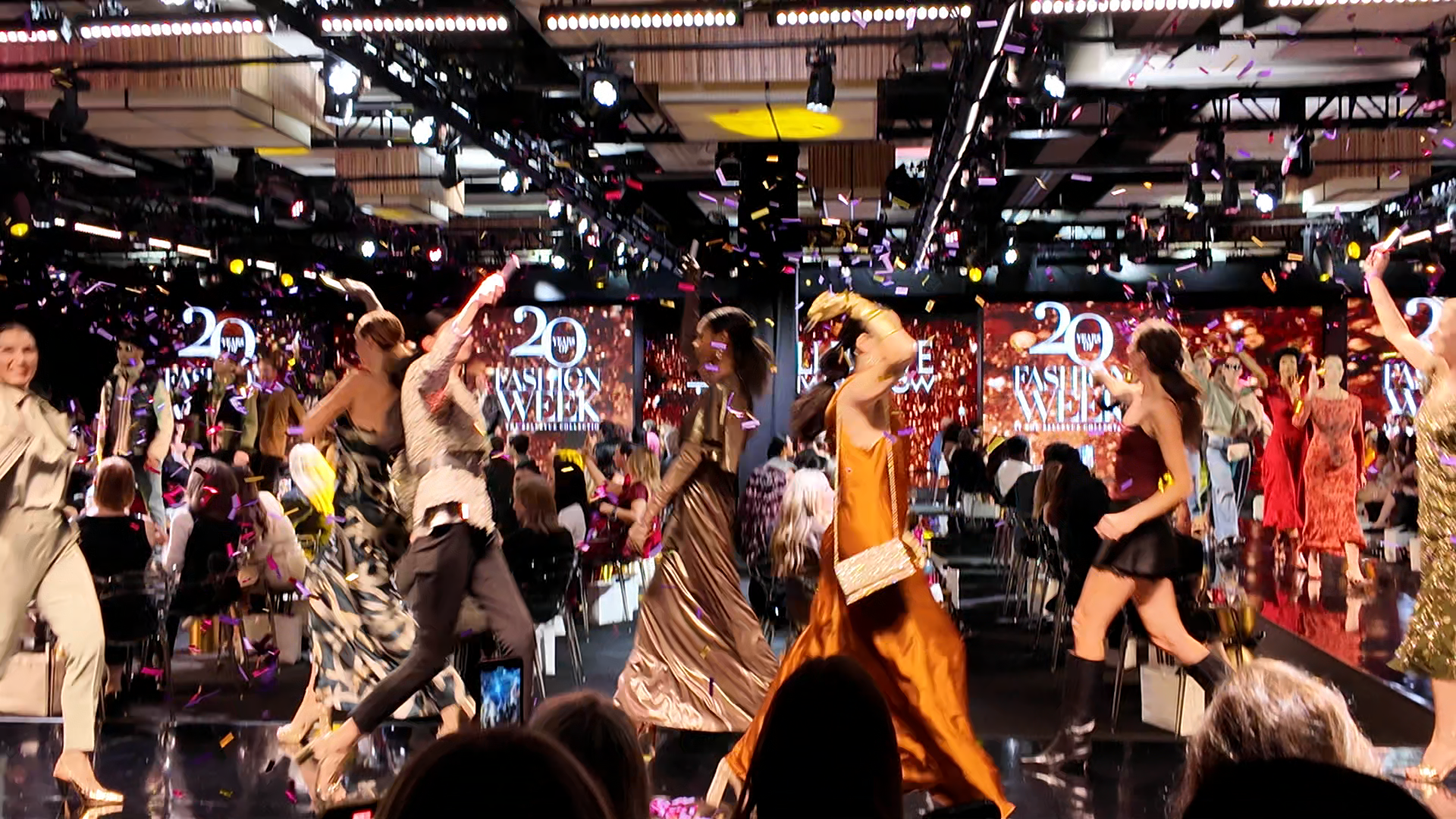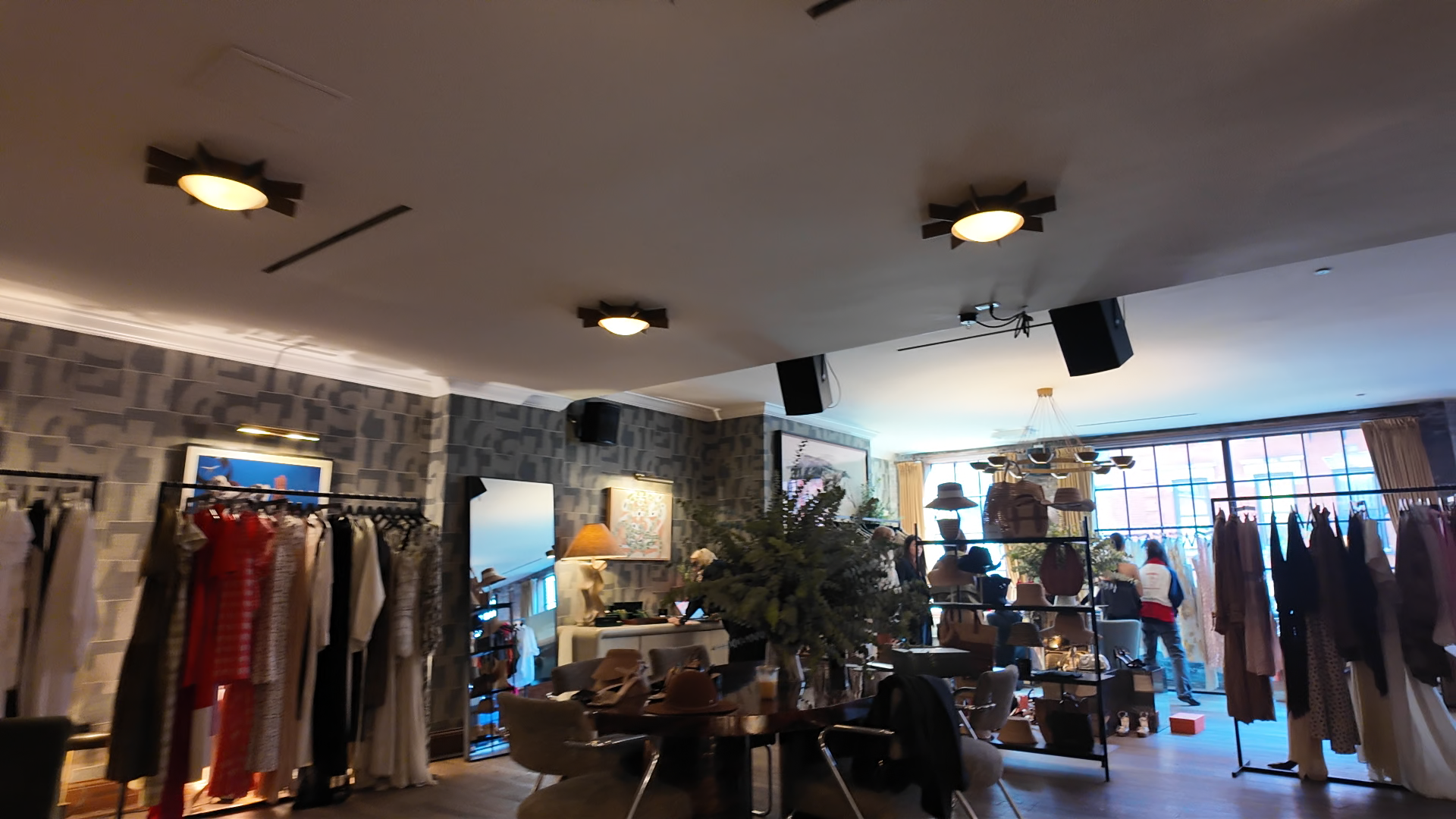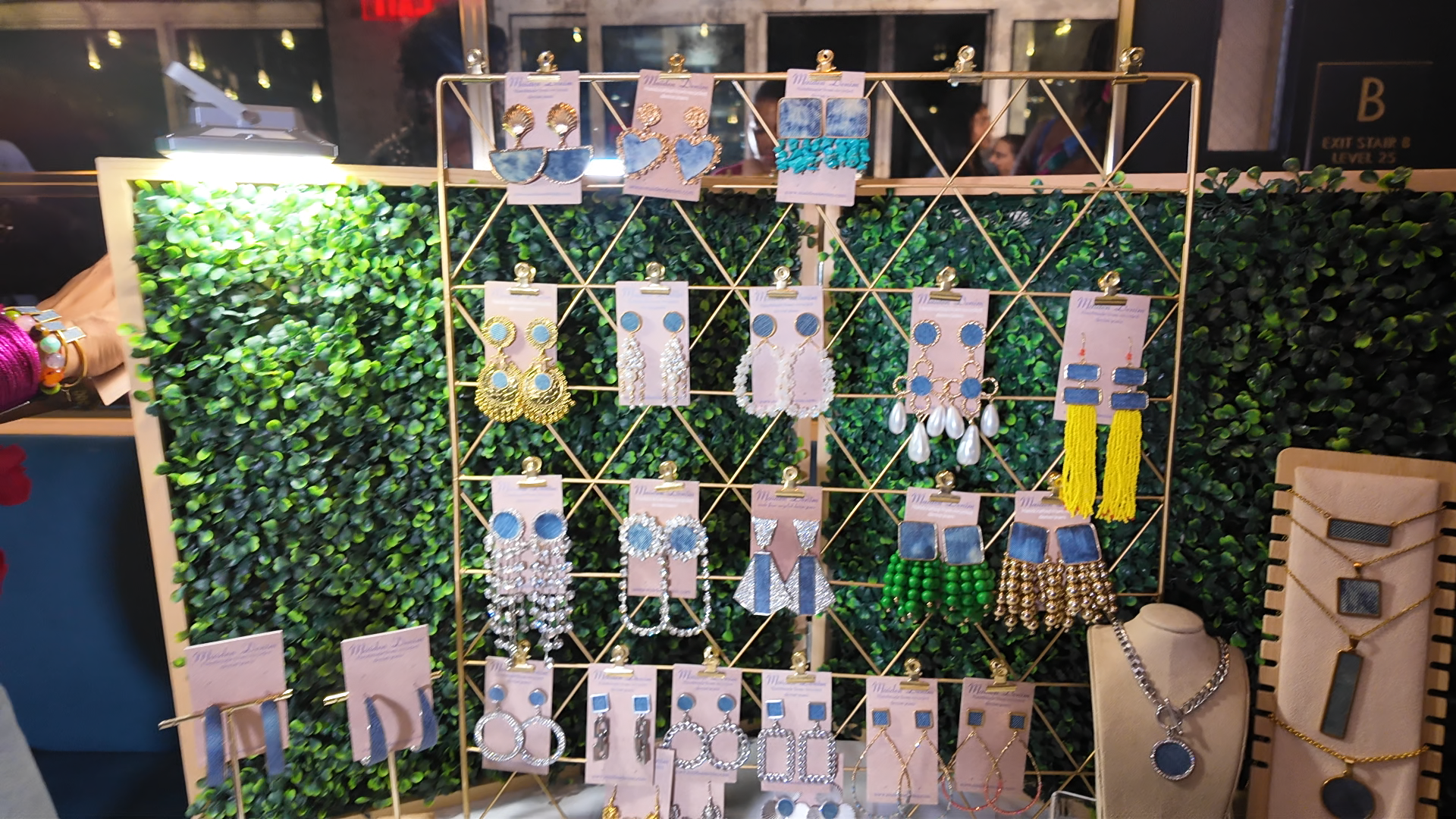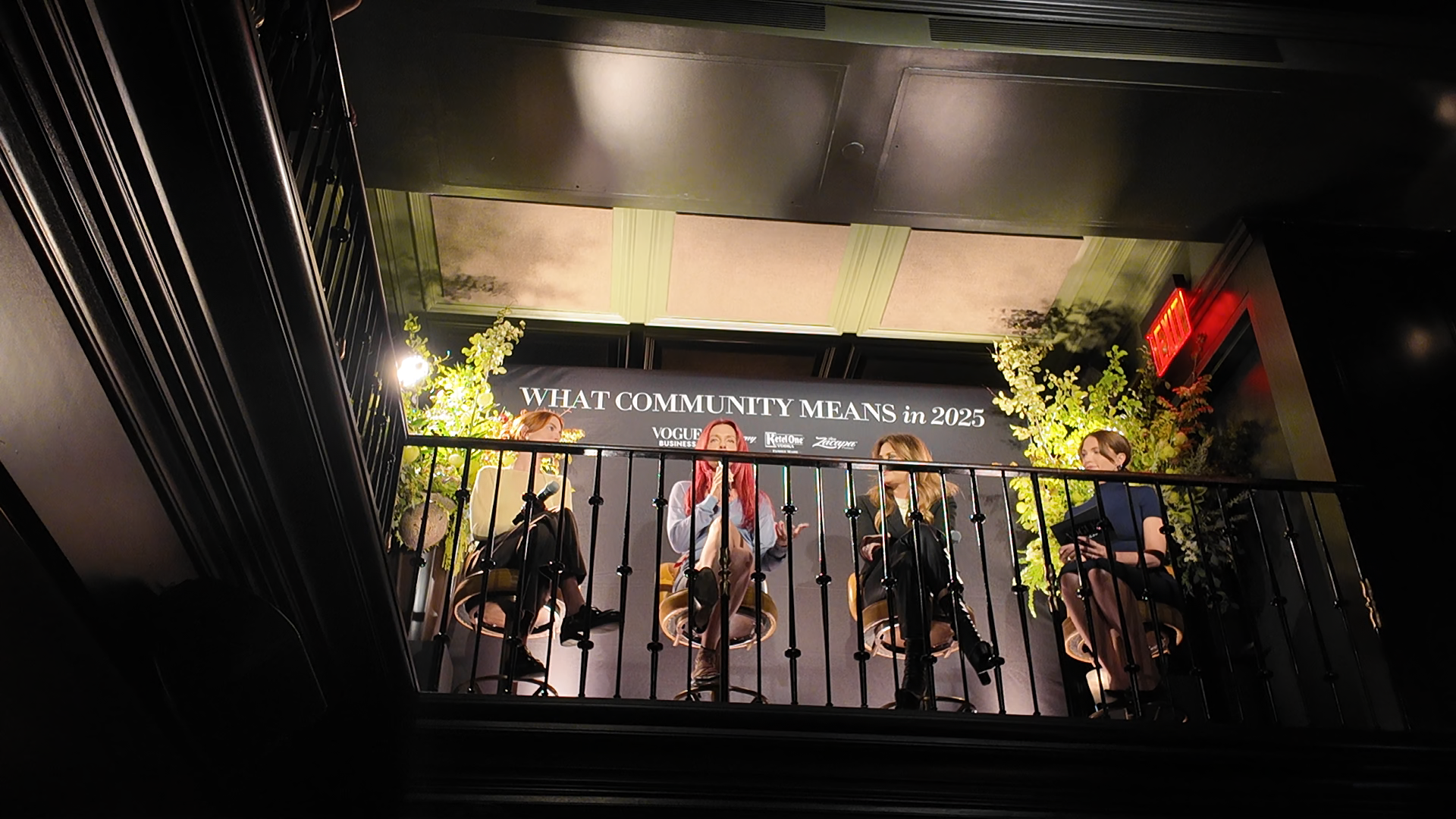
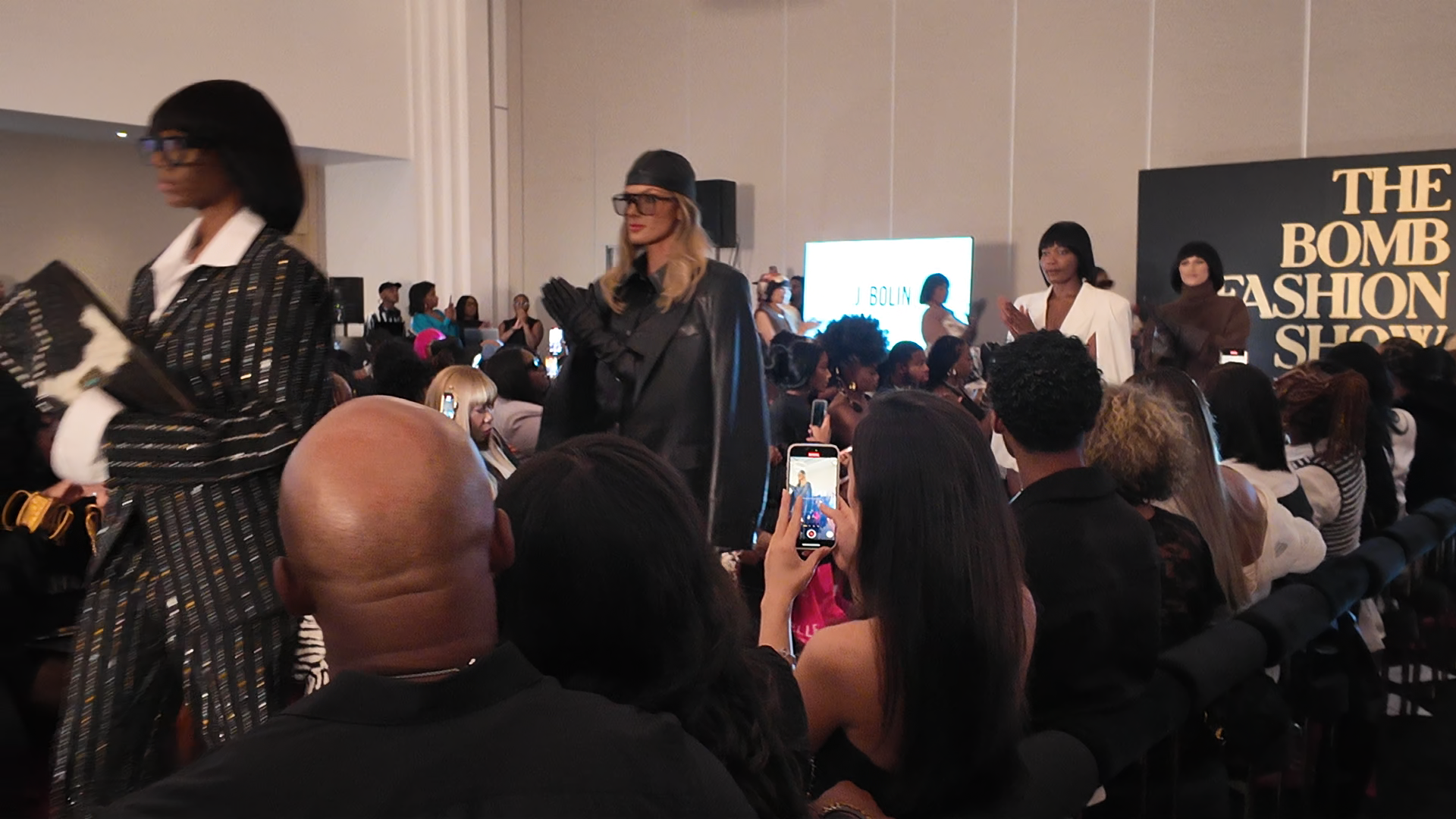
On Saturday, September 13, 2025, Fashion Bomb Daily hosted The Bomb Fashion Show at Hotel Indigo Williamsburg in Brooklyn, New York. Marketed as a high-energy runway experience featuring emerging designers, celebrity appearances, and fashion industry personalities, the event attracted a packed audience and enough interest to prompt a venue change just nine days before showtime.
From the outside, the production had all the ingredients of a successful fashion event: recognizable hosts, sponsor activations, a visually engaged crowd, and a social-media-friendly atmosphere. But from an experiential marketing perspective, the evening also highlighted a growing challenge within the fashion industry: What happens when the spectacle surrounding a runway show becomes more memorable than the designers themselves?
The Pre-Event Marketing Focused More on Hype Than Designer Discovery
I originally discovered the event through Eventbrite, but one thing immediately stood out: despite repeated mentions of "emerging designers", very little attention was given to introducing the actual creatives before the event.
There were no consistent designer spotlights, collection previews, or storytelling campaigns leading up to the show. As someone attending specifically to observe fashion event strategy and execution, I found myself wondering how many guests could actually name the designers they were coming to support. That disconnect became even more noticeable after attendees received an email on September 4 announcing the venue had changed due to "overwhelming demand".
While demand is obviously a positive signal for any event, venue changes less than two weeks before showtime can create operational instability and audience uncertainty. Capacity planning, entry flow, seating logistics, and staffing structures all shift once an event scales beyond its original footprint.
Additional communication also felt reactive rather than intentional. Seating assignments were emailed only two hours before doors opened, despite chairs inside the venue not ultimately being individually numbered. Another email containing venue WiFi information arrived shortly before entry began. Individually, these details may seem minor, but together, they created the impression of an experience still being actively adjusted in real time.
The Check-In Experience Immediately Created Friction
Doors officially opened at 6:00 pm. I arrived around 6:30 pm and walked directly into a slow-moving line with little visible distinction between VIP, seated, and general admission. The check-in area became an immediate bottleneck. Guests entering and exiting shared the same congested space while staff repeatedly instructed attendees to have QR codes ready, even though no one scanned anything.
For experiential events, the first fifteen minutes matter more than many brands realize. Check-in shapes audience perception before the main event even begins. In this case, the production appeared to underestimate how long it would realistically take to process hundreds of attendees while simultaneously funneling them through sponsor activations, photo moments, bars, and networking areas before reaching the runway area.
Seating Confusion Delayed the Entire Production
Inside the runway space, the seating system became one of the evening's biggest operational challenges. Some seats displayed sponsor names. Others displayed guest names. Some had no labels at all.
After being directed to "C2", it quickly became apparent that while rows were alphabetically labeled, individual chairs were not numbered. Guests wandered through rows trying to locate seats that effectively did not exist in any organized format. Staff members attempted to assist attendees, but many appeared just as uncertain as the guests themselves. Eventually, several attendees were simply told to find any unclaimed chair and settle in.
At 7:10 pm, ten minutes after the advertised start time, much of the audience was still standing, relocating, or searching for seats. Announcements asking seated guests to find a seat continued well past 7:30 pm while additional chairs were brought into the room around 7:45 pm. Meanwhile, standing guests lined the walls near major exits as models attempted to navigate the same pathways backstage.
The show finally began around 8:05 pm.
The Audience Seemed More Engaged With Content Creation Than the Runway
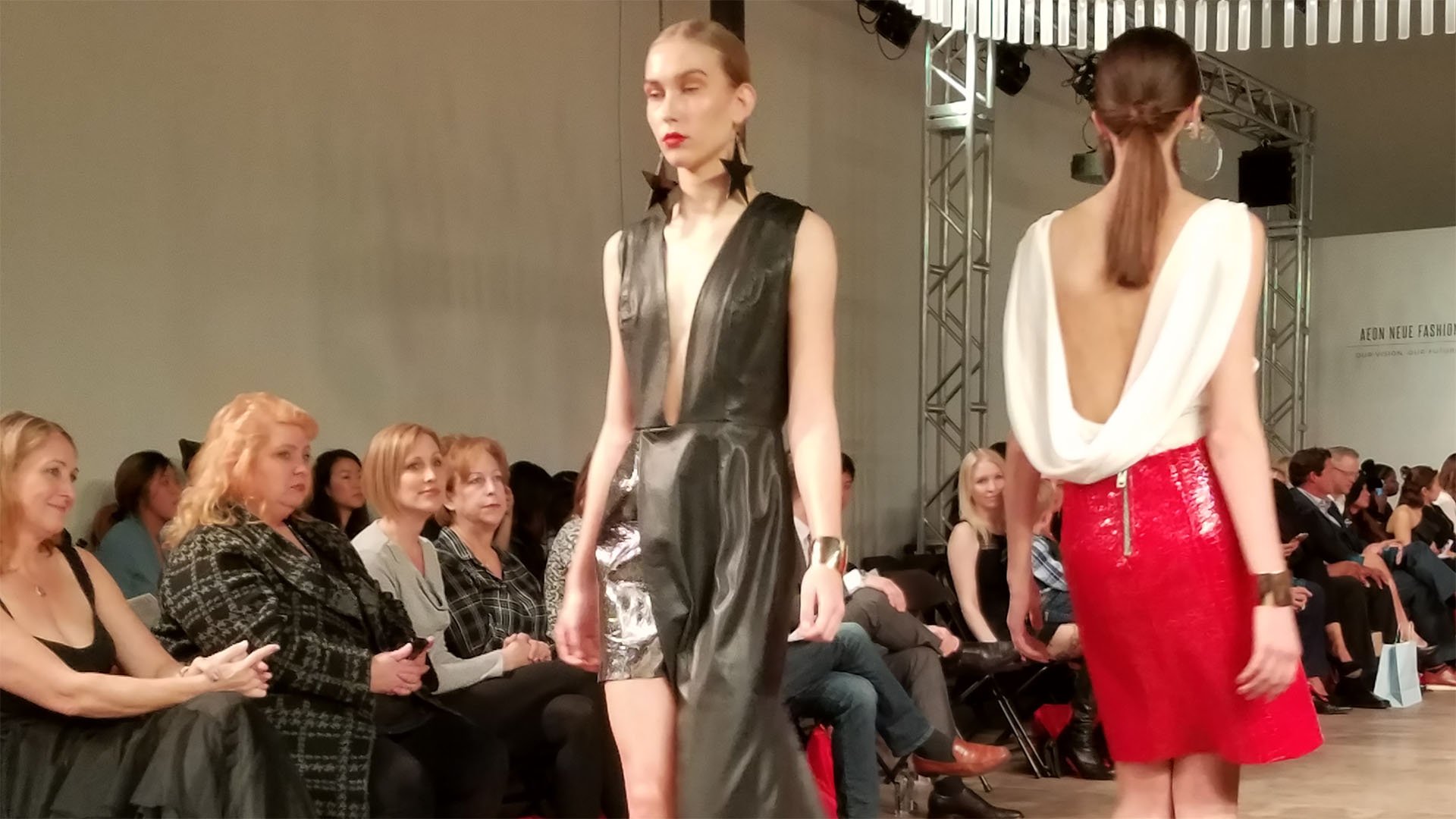
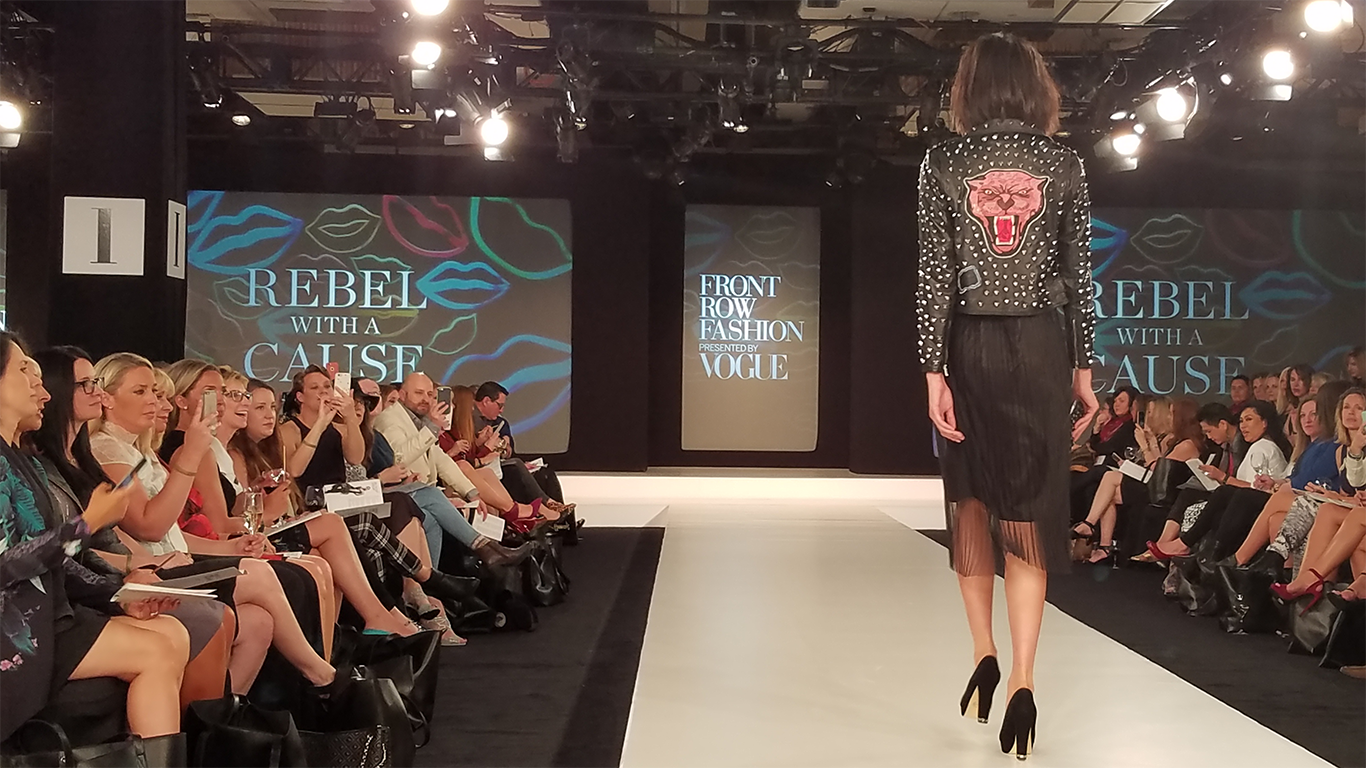
Once the runway portion began, the production featured energy, celebrity appearances, sponsor integration, and a sizable designer lineup, including J. Bolin, Monaco + Columbia, L.VINE, aakofii, CBN Chicago, Laurel DeWitt, and Le'Antoinette.
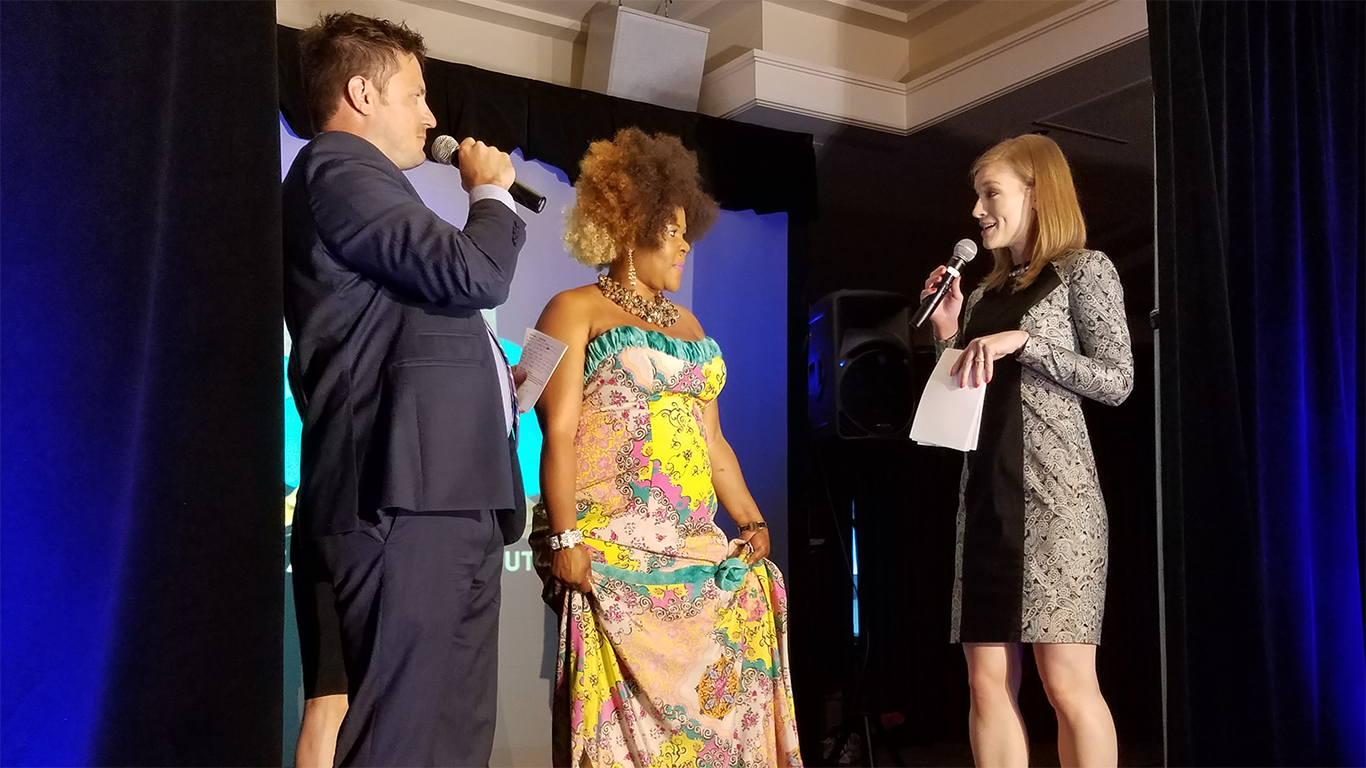
Meagan Good welcomed the audience after an introduction from Lesa Milan of The Real Housewives of Dubai, while sponsor acknowledgements and a later musical performance reinforced the event's entertainment-driven structure. But throughout the night, I kept noticing a larger behavioral pattern emerging inside the room.
Many attendees appeared significantly more focused on capturing social content than engaging with the collections themselves. Guests slowly flowed through the step-and-repeat, phone recordings, networking moments, and runway clips, creating an atmosphere where the show often felt secondary to the digital content surrounding it.
To be fair, this isn't unique to one event. It reflects a broader shift across fashion, beauty, and experiential marketing spaces.
Emerging Designers Need More Than Runway Exposure
One of the strongest takeaways was designer retention. The event successfully gathered attention, but attention alone does not automatically translate into long-term visibility for emerging brands. Without stronger educational or storytelling touchpoints, there is a real possibility that many attendees will leave remembering the atmosphere more vividly than the designers.
That gap could have been addressed through relatively simple additions:
Pre-show introduction campaigns
Digital or printed lookbooks
QR codes linking directly to the designers' websites or booking pages
Social content centered around collections rather than just highlighting celebrity guests
Post-show recaps focused on designer stories and inspiration
Fashion shows should function as amplification platforms; otherwise, the production risks prioritizing visibility over actual designer discovery.
Final Thoughts
Producing a large-scale runway production is an enormous undertaking, and credit absolutely belongs to the team behind The Bomb Fashion Show for building a platform that creates opportunities for emerging designers and fashion professionals.
With that said, the event also reflected a growing tension within modern experiential marketing:
Audiences increasingly expect events to be immersive, social, and visually shareable, but when creating those highly content-driven environments, the original purpose of the experience can sometimes become diluted.
Fashion shows should evolve with culture and technology, but the runway has to maintain focus.