When Intimacy Works: Inside WeWearAustralian Trunk Show at Ludlow House
In the chaos of the S/S '26 NYFW season, the WeWearAustralian trunk show at Ludlow House leaned into something rare: intentional intimacy. Hosted over three days, September 13 - 15, 2025, the shopping event offered style curators direct access to Australian fashion labels in a controlled, appointment-based environment that prioritized comfort, discovery, and conversion over overcrowding and the illusion of exclusivity.
The Controlled Guest Experience Started Before Arrival
The trunk show's pre-event marketing strategy was relatively straightforward and highly effective, with each touchpoint serving a clear purpose. Guests discovered the event primarily through Instagram ads, which directed traffic to a dedicated landing page on WeWearAustralian.com. The page outlined participating designers, location details, FAQs, and booking instructions, reducing the friction and eliminating ambiguity.
The appointment-based structure was particularly notable as guests were asked to select a designated time slot in advance and received reminder emails leading up to their reservation. That level of steady pacing matters.
One of the biggest operational failures at many fashion and retail pop-ups is poor crowd management. Oversold RSVP systems often create long lines, overstimulating environments, and limited access to product interaction. In contrast, the WeWearAustralian event used time entry to maintain flow and preserve the quality of the shopping experience, which resulted in an optimized environment for browsing the inventory.
The Space Prioritized Ease Over Performance
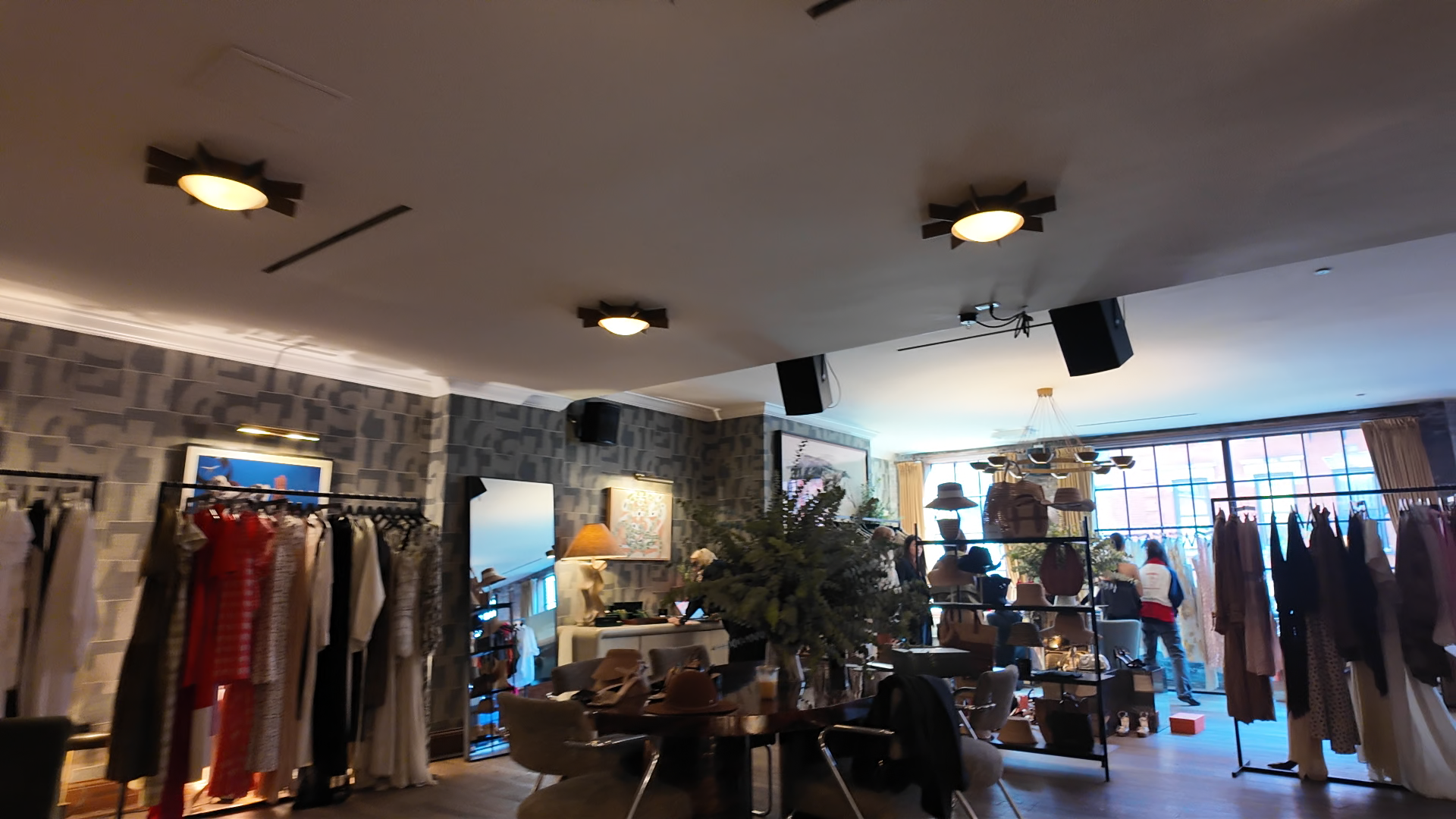
Upon arrival, guests were greeted by staff who immediately explained the setup of the trunk show. It was a small detail, but one that helped remove the awkwardness that often comes with boutique-style shopping events. The atmosphere itself felt calm and approachable.
Products were neatly organized across displays and clothing racks, representatives were available to assist with sizing and try-ons, and the space never became overwhelmingly crowded during my visit. Instead of fighting through packed racks or waiting for fitting room access, guests were able to move through the experience comfortably and at their own pace, contributing to stronger purchasing behavior.
Retail psychology consistently shows that consumers spend more time engaging with products when environments are relaxed rather than chaotic. The event's operational structure supported exactly that kind of interaction.
Incentives Were Integrated Thoughtfully
The trunk show also succeeded in making incentives feel additive instead of a desperate product push. Guests who made purchases received complimentary shipping from Australia, which strategically removed one of the biggest barriers associated with international brands: shipping hesitation.
Additionally, shoppers received gift bags reportedly valued at more than $300, filled with Australian beauty and wellness products. The gifting felt aligned with the brand's overall ecosystem because gift bags often become collections of disconnected promotional items with little relevance to the audience. Here, the products extended the Australian lifestyle positioning already embedded throughout the experience.
Why Smaller Retail Events Are Becoming More Effective
There's a growing fatigue surrounding overcrowded fashion activations that prioritize optics over usability. Consumers increasingly want experiences that feel curated, efficient, and human-centered. This trunk show reflected that shift very well.
Instead of attempting to manufacture exclusivity through long lines or capacity issues, the event created value through access, comfort, and personalization. The environment encouraged guests to engage with products, ask questions, and make informed purchasing decisions without feeling rushed since a softer approach often produces stronger brand affinity.
Luxury and contemporary retail increasingly operate on emotional perception. Guests remember how easy an experience felt, whether they felt ignored or supported. That operational layer is frequently underestimated in fashion event strategy conversations.
Key Takeaways
The WeWearAustralian trunk show succeeded because it understood something many retail activations overlook: not every successful event needs to feel massive. Sometimes the strongest consumer experiences come from restraint.
By controlling attendance flow, simplifying the shopping process, training staff to guide guests naturally, and integrating thoughtful incentives, the event created an atmosphere that felt polished without becoming intimidating.
From a personal standpoint, it worked. Checkout was seamless, the environment never felt stressful, and I ultimately purchased a ROMY padded bomber jacket during my visit, which was probably the clearest indicator that the experience achieved exactly what it was designed to do.