In an era when consumers are overwhelmed by content, ads, and endless digital touchpoints, one thing became clear at the recent Vogue Business and Diageo event in NYC: community building is now a major part of brand strategy.
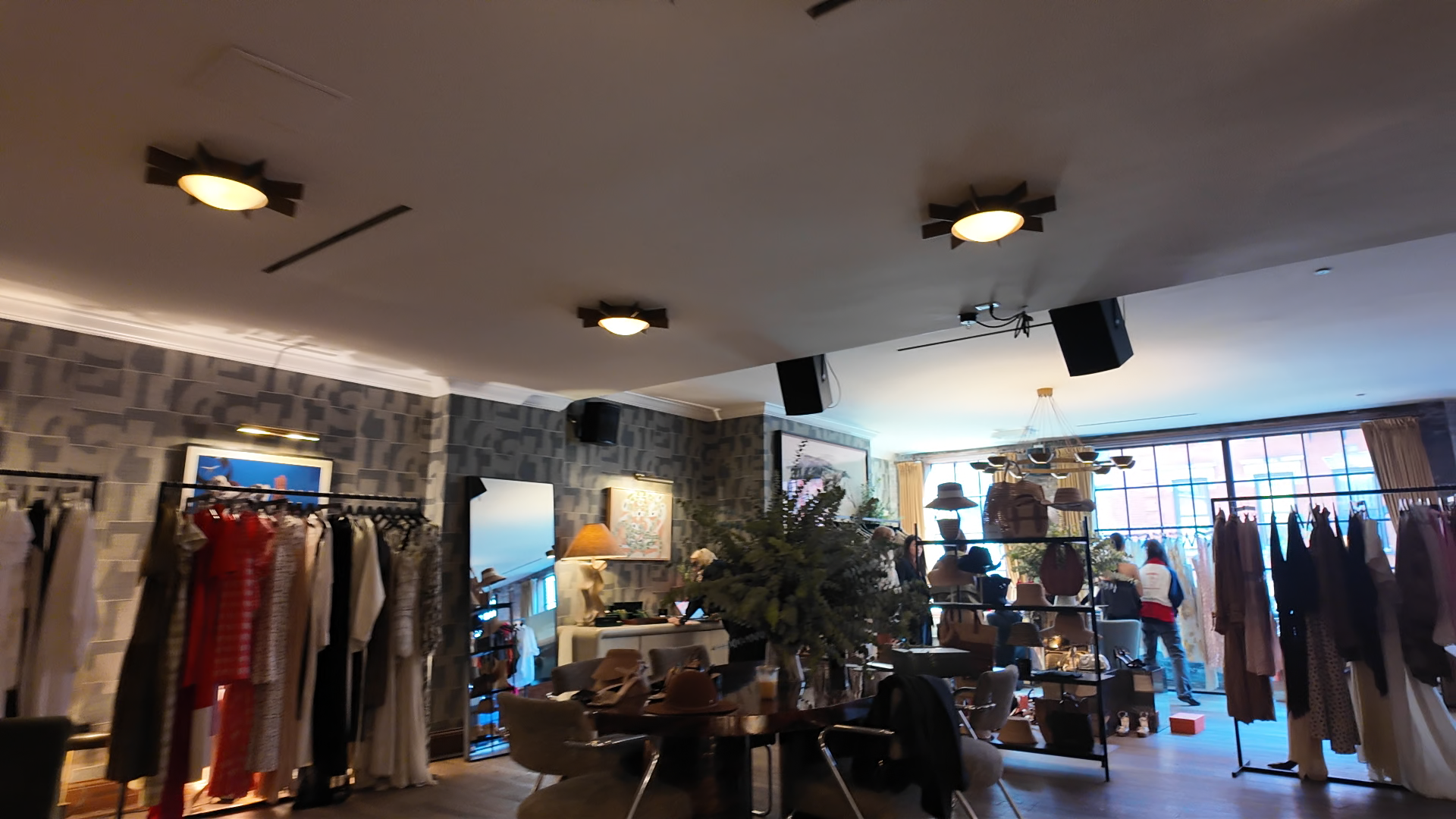
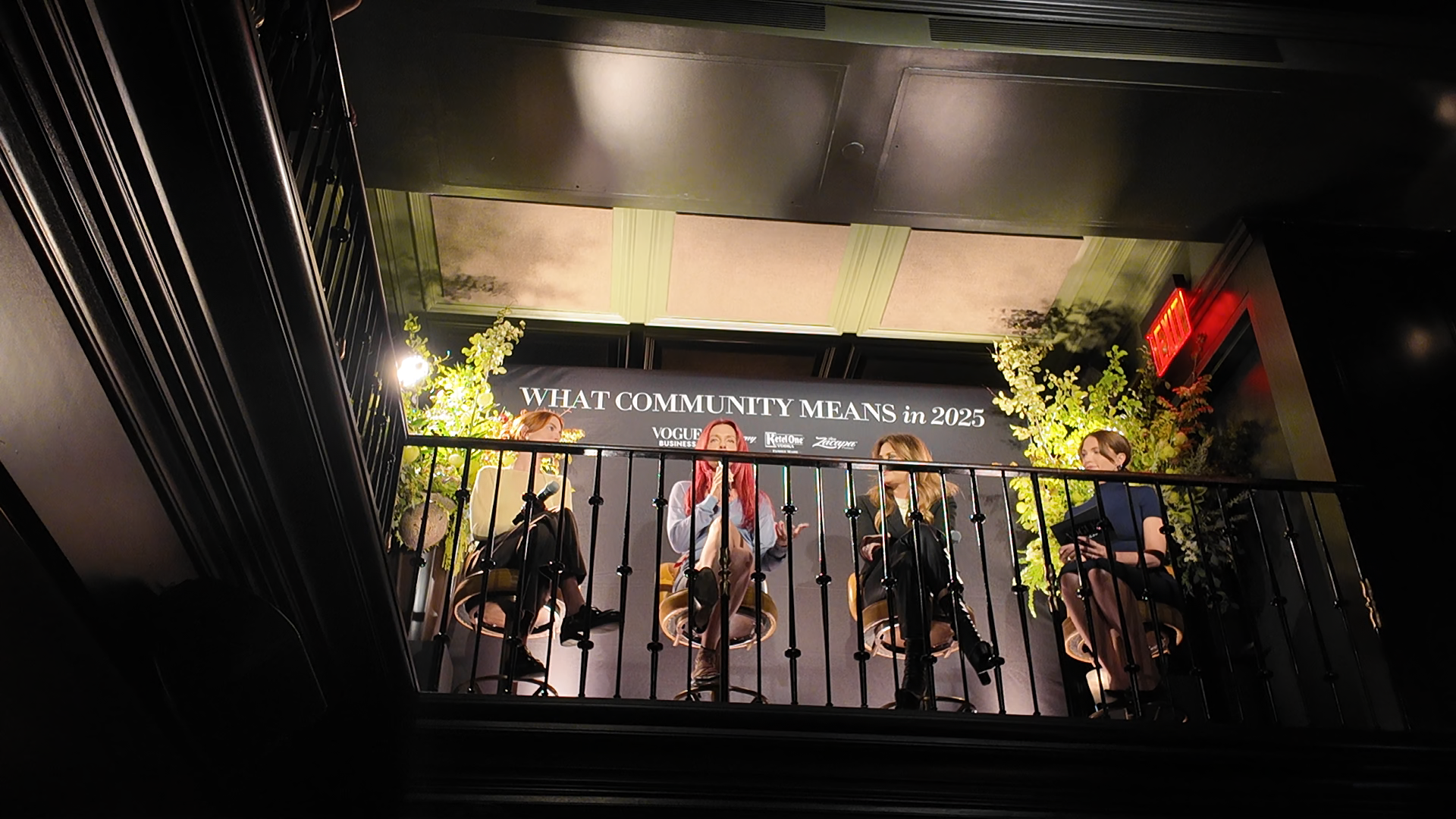
Hosted at Little Ned, the "What Community Means in 2025" event brought together leaders across fashion, beauty, and lifestyle to discuss how brands are adapting to increasingly fragmented consumer attention spans.
The conversation featured insights from Libby Strachan, Director of Brand Marketing at Free People; Jennifer Zuccarini, Founder and CEO at Fleur du Mal; Patricia Borges, Global Managing Director at Gins and Rums and CEO at Ketel One and Zacapa, Diageo; and Hilary Milnes, Executive Americas Editor at Vogue Business. While each speaker approached the topic from a different perspective, several themes consistently emerged throughout the discussion.
Community Is More About Investment Than Audience Size
One of the strongest takeaways from the panel was the idea that community breeds investment. Not just financial investment, but emotional investment. The brands seeing the strongest engagement are creating experiences and conversations that align directly with their customers' interests, lifestyles, and identities.
That shift changes how brands evaluate success. Events are no longer viewed solely as sales opportunities. Now, they function as immersive touchpoints that deepen customer relationships and strengthen long-term brand affinity.
Experiential marketing has truly evolved into a form of live storytelling. Consumers are now more interested in buying proximity to a lifestyle, a memory, or a feeling associated with their favorite brands.
Events are Becoming Multi-Purpose Marketing Tools
Another interesting point raised during the discussion was how brands are using events beyond traditional marketing objectives.
Events now serve multiple functions simultaneously:
Community building
Customer retention
Local market research
Content creation
Influencer relationship development
Brand positioning
The panel also touched on how store events for top customers and smaller second-tier community events can often create stronger local engagement than large-scale influencer activations alone. That observation reflects a larger industry shift: consumers want access to more experiences that feel personal and culturally relevant.
Ironically, as brand trips become more common, they've also become harder to differentiate. Brands now face the challenge of creating experiences that feel fresh, exclusive, and socially compelling.
The Metrics Around Community Are Changing
One of the more important conversations centered around KPIs and measurement.
While brands still need clear performance metrics, not every community-building initiative can or should be tied directly to immediate sales conversions. Shares, reposts, saves, and UGC are increasingly being treated as indicators of value alongside revenue.
That distinction matters because community marketing often operates on delayed impact. Someone may not purchase immediately after attending an event, but they may develop a stronger long-term connection to the brand, engage with future campaigns, or introduce the brand to their own network.
As a result, the definition of ROI continues to expand.
Accessibility Matters In Addition to Exclusivity
The panel also explored the tension between exclusivity and inclusivity.
Consumers are clearly craving in-person experiences again, particularly after years of digitally dominant interaction. However, brands are simultaneously trying to maintain a sense of exclusivity while building broader communities at scale. That balancing act has become one of the defining challenges of experiential marketing.
Several speakers highlighted the importance of extending community beyond physical events through digital touchpoints such as Instagram broadcast channels, Facebook groups, loyalty programs, and emerging content ecosystems like Substack and live shopping platforms.
Interestingly, the discussion suggested that digital engagement may actually deepen relationships more consistently than occasional in-person events. Physical experience may spark the initial emotional connection, but ongoing digital communication is often what sustains it.
Events Are Now Content Ecosystems
The biggest shift discussed throughout the evening was the idea that events themselves are no longer the final product. Events have become content engines.
Every guest interaction, activation, repost, behind-the-scenes moment, and attendee recap now contributes to a larger digital narrative surrounding the brand. The value of an event increasingly extends far beyond the people physically present.
That reality is forcing brands to think more intentionally about audience curation, shareability, and post-event storytelling. In addition to guests, the right attendees are now distribution channels.
As the community continues to evolve, the brands that succeed will likely be those that understand two things simultaneously: what matters most to their customers and how to create experiences that translate across both online and offline channels without losing authenticity.