
The VIP vs. GA Divide: When Confusion Disrupts the Guest Experience
The gap between what producers think guests are experiencing and what they actually experience is a topic that lives rent-free in my head. Often, when I attend events, confusion instantly splits the room into two groups: those who feel like VIPs and those who feel like the third wheel in a friend group. And if your guests are spending mental energy figuring out where to go, what to expect, or who to ask for help, they're also figuring out if they should just leave or soldier through.
Last September, I attended multiple NYFW events purely as a guest. I found the events online, triangulated which ones would be worth taking the subway for, RSVP'd, and purchased tickets on my own. This gave me an unfiltered, ground-level perspective without the pressure to fulfil any obligation to highlight only the most FOMO-worthy scenes.
Here's what I observed.
Pre-Event Communication: Confusion Starts Before Anyone Walks Through the Door
I attended two fashion shows: one during the day in Chinatown and one in the evening in Brooklyn. For both, the friction started days before the events even began.
For the Chinatown show, I purchased a VIP ticket, but there was no clear explanation of what "VIP" actually included beyond having a seat. I assumed front row, because that's what VIP usually implies. Nope. The confirmation email also mentioned a VIP stamp for entry. That wasn't the case either.
For the Brooklyn show, the venue was changed nine days before the event due to "overwhelming demand". As an event marketer, I'd push back on that framing because the number of guests should be a variable you control when ticket sales are tied to the venue capacity.
Two hours before the Brooklyn show, I received an email with my seat assignment. Thirty minutes before the doors opened, they sent out information about the Wi-Fi password, a convenient but low-value touchpoint. What I actually wanted in that time window was information about what to expect at check-in: Was there a step-and-repeat? What refreshments would be available? Which designers are showing?
The takeaway: Before guests set foot inside, your communication sets the tone. If details are missing or unclear, guests start lowering their expectations, and that's a deficit you'll spend the rest of the event trying to recover from.
Arrival & Check-In: Where VIP and General Admission Start to Blur
Check-in is where your event's organization, or lack thereof, becomes immediately visible.
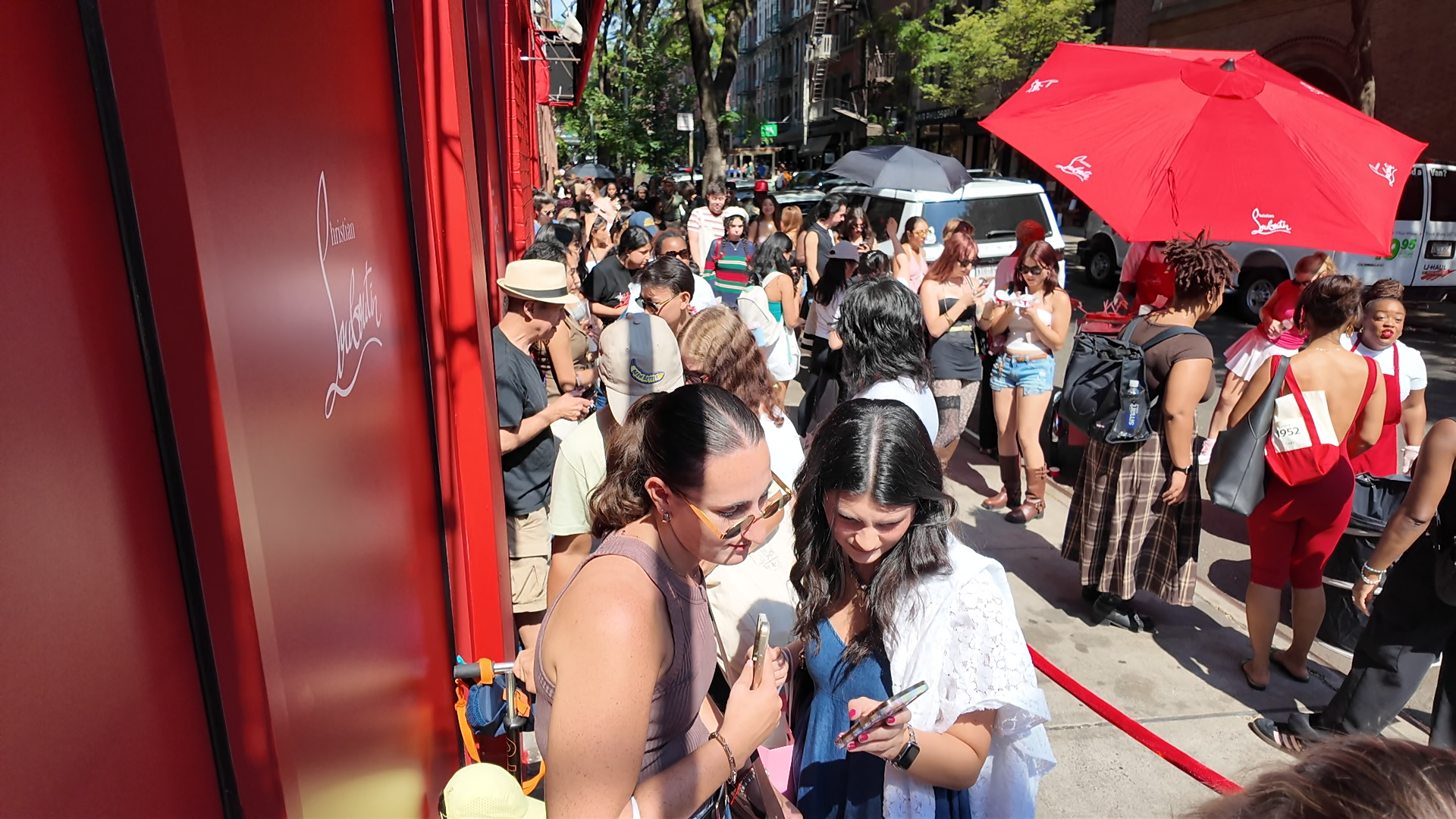
At the Chinatown event, there were two separate lines: one for General Admission and one for VIPs. It was 77 degrees and sunny, and the bottleneck at the door was an elevator that only fit five people at a time. This prompted many guests to take the stairs to the fifth floor. That single logistical detail delayed the entire show.
When I finally got upstairs, my ticket wasn't scanned, just glanced at. This raised practical questions about how they track attendance, build a follow-up list, and know who to thank for attending if they don't have a solid record of who showed up.
The Brooklyn show had its own issues. Doors opened at 6 pm. I arrived at 6:30 pm to find a static line outside that didn't move for another twenty minutes. There was no differentiation between VIP and General Admission, so everyone's check-in experience was similar.
Guests and staff were entering and exiting through the same door, creating a cluster that felt like a fire hazard waiting to happen. Security kept reminding people to have their tickets ready, even though no one actually scanned them.
The takeaway: A line that doesn't move ruins excitement fast. VIP guests start to feel like they overpaid, and GA guests start wondering what they got for their money. Events drain energy if guests aren't moved through the door smoothly and efficiently.
Inside the Venue: Seating, Signage, and the Signals Your Space Needs
Once inside, every decision, including lighting, signage, music volume, and staff positioning, communicates something to your guests.
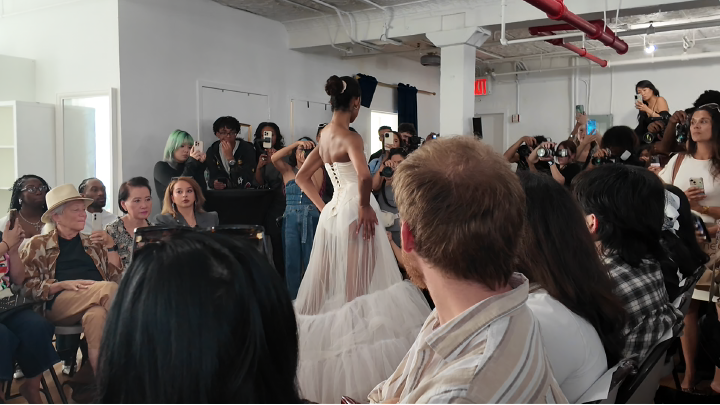
At the Chinatown show, staff frantically directed people to their seats. The front row chairs were labeled with what I thought were guests' names. However, on closer inspection, every single front row seat only displayed the name of the event. I later found out the front row was reserved exclusively for the designers' personal guests. My VIP ticket got me a second-row seat.
To be clear: I wasn't upset about sitting in the second row, as I count any seat at a fashion show as a win, but the distinction of VIP meaning seated, but not front row, should have been explicitly stated in the ticketing information. Unmet assumptions are what turn a neutral experience into a negative one.
The Brooklyn show's seating situation was even more chaotic. I was assigned seat C2. The rows were labeled by letter, but none of the individual chairs were numbered, and there were no name assignments. Other guests were just as lost as I was. I eventually followed the herd and just claimed an open chair in the second row.
For the better part of an hour, I watched guests wander the runway looking for somewhere to sit while staff looked just as confused. Extra chairs were eventually brought in about fifteen minutes before the show started.
The takeaway: Guests will give you grace for a short wait if the experience feels intentional and fair. But when the process feels disorganized, especially for guests who paid for a premium experience, they mentally check out before the first look even hits the runway.
Production: Great Visuals Don't Compensate for Poor Flow
Here's a pattern I keep seeing in fashion event production, and it's worth naming directly: a lot of events feel like they're only being produced for the Instagram recap reel, and not for the people in the room. The post-event highlight content becomes the goal, while the guests are used as props. The problem with that approach is that the guests clock it instantly. When producers prioritize optics over atmosphere, the energy in the room becomes performative instead of welcoming.
At the Chinatown show, the music was good, the collections were strong, and the show itself ran for a tight 30 minutes. But the elevator delays and seating confusion had already worn people down before the first look came out. The event also featured a pop-up shop, but with no pre-show content promoting the available pieces, guests weren't primed to buy. I skipped the pop-up entirely.
The Brooklyn show was visually stunning, including celebrity hosts, elaborate step-and-repeats, sponsored gift bags, and more. But it didn't feel organized. The music was so loud it shook the floor, and the celebrity hosts left at intermission.
By 8:55 pm, with fourteen designers showing full collections, guests were visibly losing energy. The show needed an edit. Limiting each designer to their top five looks would have kept the momentum. Instead, intermission offered guests a 10-minute window to grab a drink, but with roughly 250 people trying to exit the runway area simultaneously, there wasn't enough time for most of them to even reach the bar.
I left at intermission because I could see how the rest of the night was going to play out, and I'd rather make a graceful exit than fall asleep in my chair.
The takeaway: Production value and guest experience are not the same thing. Guests remember how the event made them feel, and if the post-event content doesn't align with their experience, they feel gaslit.
Post-Event Follow-Up: The Touchpoint Nobody Prioritizes (But Everyone Should)
Neither event scanned tickets, which means neither event likely has a confirmed list of who actually showed up. This then makes the execution of meaningful follow-ups (segmented thank-you emails, photo recaps, designer spotlights, future event announcements) harder to complete. That's a major missed opportunity.
The follow-up is where you convert attendees into advocates. Even a simple "Thank you for joining us" email with a link to step-and-repeat photos would have extended the event and kept the brand top of mind. Without it, the experience ends the moment guests walk out the door.
The takeaway: Attendance tracking and post-event communication are more than simple admin tasks; they're brand-building tools that round out the event.
Final Thoughts
When I talk about VIP vs. General Admission, I'm talking about who feels considered, not who sits where. Clarity is a form of luxury, so when guests understand what to expect, where to go, and what they showed up for, they feel valued. When confusion enters the chat, they start questioning the brand and prematurely deciding if they'll show up to the next event. After reflecting on my experiences, I won't be adding either of these events to next season's calendar.