
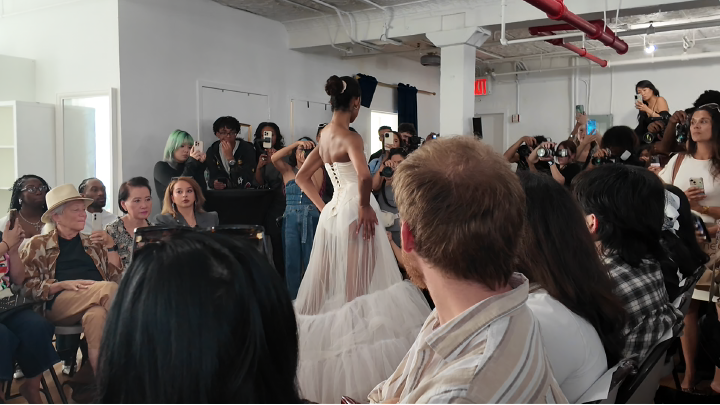
New York Fashion Week has no shortage of independent runway productions ready to create memorable experiences outside of the traditional luxury system. Some succeed through flawless execution, while others reveal how much operational details shape the overall guest experience.
REVIVE Fashion Week, hosted in Chinatown during the S/S '26 season, fell somewhere in between. The multi-designer runway show featured collections from Wick Leather, Diavia, GVXO, and Vellachor inside a loft venue that also included a pop-up shopping space. The concept itself was smart: combine emerging designers, tiered ticketing, and retail opportunities into one immersive experience. But from arrival, a few operational gaps became noticeable.
Two lines formed outside the building, one for general admission and one for VIP guests, while attendees waited to access the fifth-floor venue, using an elevator limited to five people at a time. Guests could also take the stairs, but communication around entry flow was minimal, immediately creating bottlenecks before the show even began.
Once upstairs, tickets were visually checked, but never scanned. That raised larger questions about attendance tracking, post-event follow-up, and overall guest data collection. Without proper scanning infrastructure, there's no clear way to measure attendance accurately or continue engaging with attendees after the event.
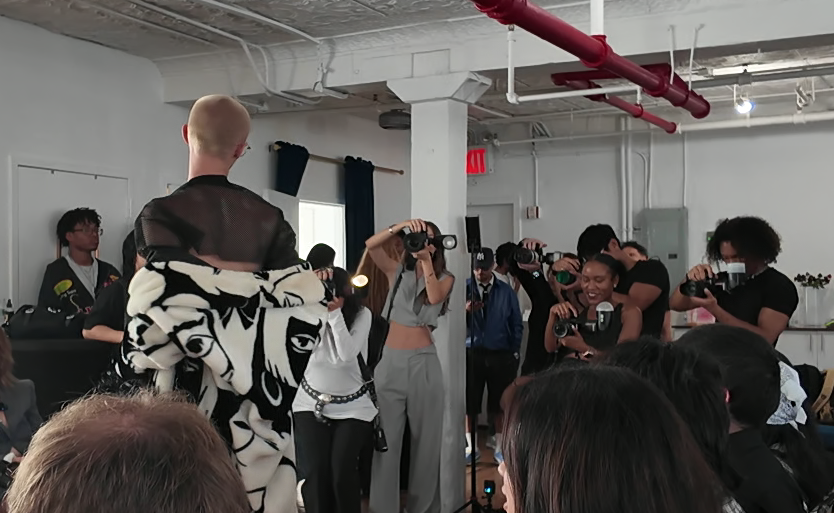
Inside the venue, the atmosphere worked. The DJ kept the energy high while photographers captured guests entering the runway space. But the seating process exposed another challenge.
Staff members appeared overwhelmed trying to organize groups and manage reserved front-row seating for friends of the designers. However, the issue was that every reserved sign displayed the same generic wording instead of identifying specific guests or designer allocations, creating unnecessary confusion moments before the show started.
The VIP experience also lacked clear differentiation. While VIP guests were guaranteed seating, the benefits weren't clearly communicated in advance. More clarity around what VIP actually included, like premium seating, priority access, or exclusive perks, would have helped better align expectations with the ticket price.
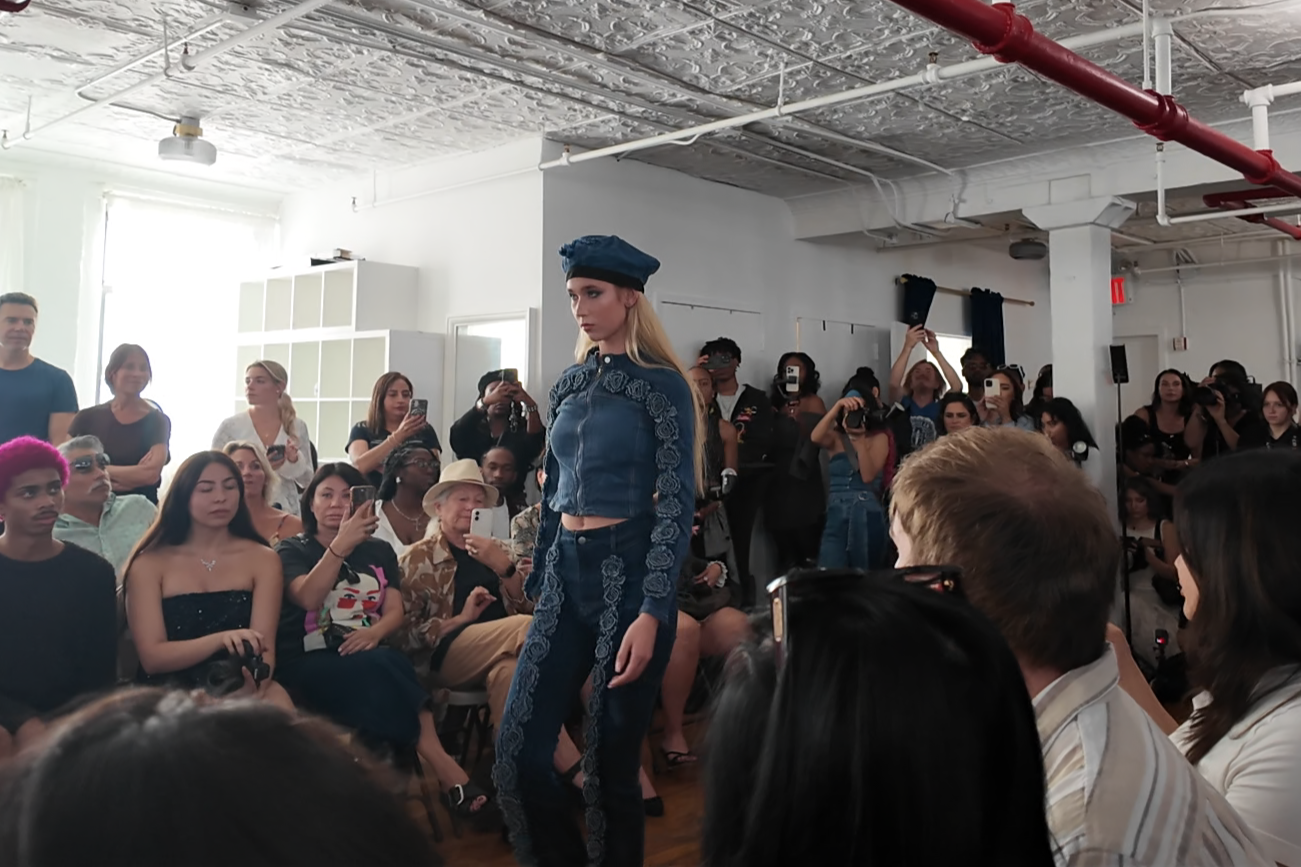
Once the show started, the energy shifted back in the right direction. The collections moved quickly, the venue fit the production's tone, and the multi-designer format kept the audience engaged throughout the presentation.
The integrated pop-up shop was also a smart addition, but it lacked the marketing support needed to drive stronger sales. Most attendees come to fashion shows expecting to observe, not necessarily shop. A pre-event campaign featuring designer spotlights, featured products, or "shop the runway" previews could have created stronger purchase intent before guests even arrived.
And that's what stood out most about REVIVE: the potential is already there; the audience showed up; the atmosphere worked; and the touring concept has promise, especially with plans to expand alongside the global fashion week calendar through London, Milan, and Paris.
Because in fashion, the experience is part of the collection.