
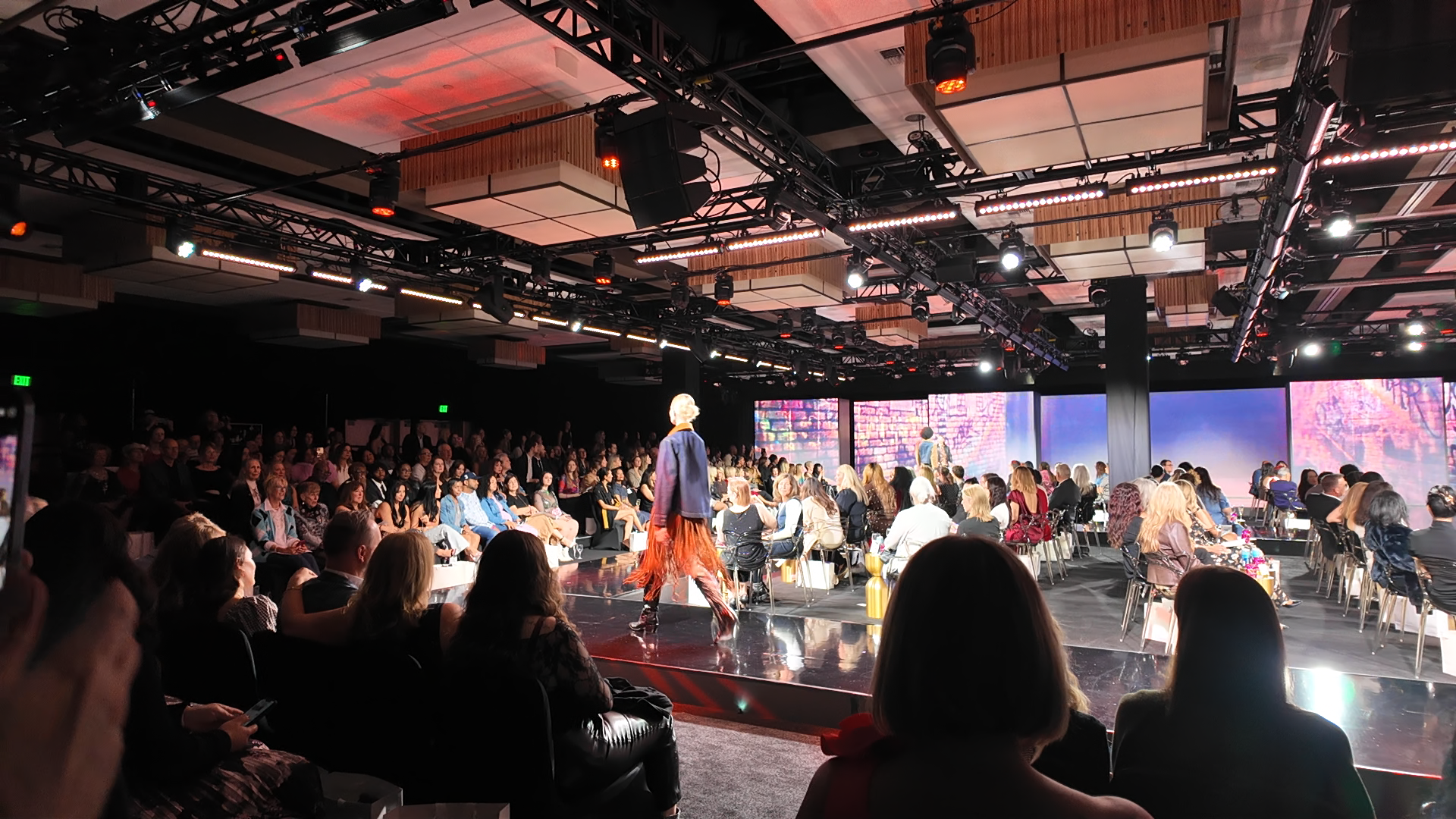
There's something exciting about a fashion show. The full atmosphere, from the lights and music, to flashing lights and models confidently strutting down the runway. Runway shows are often a celebration of a designer's creative concept realized. But after attending and analyzing more than a few of these events, I've started asking myself: Is anyone actually making money here?
Let's talk about it.
The Illusion of ROI
Here's the thing about fashion shows: designers pour enormous resources into them only for the momentum to stop as soon as the designer comes out for their final bow. Once the applause fades, the collections sit waiting for the orders to roll in. But the real return on investment lives in the before and after.
Pre-event marketing (behind-the-scenes content, collection stories, designer inspiration) builds genuine emotional investment before the venue doors open. Post-event marketing is where brands cash in on that excitement with recaps, editorial photos, and direct purchase links. Without those bookends, a show becomes an expensive photo op with fantastic lighting.
So, Are We Selling Clothes or the Experience of Clothes?
I once came across an independent designer show with VIP tickets priced at $300+, $500 clothing credits for attendees, and a lineup of perks from brand partners. At first glance, it looked like a luxury experience. However, when I looked closer, I started to question the business model.
If your brand is generating more revenue from ticket sales ($150 - $300+ per person) than from product sales, the show has quietly become the product. Some designers now host multiple events every year to stay visible, effectively building a second (or primary) revenue stream from runway show ticket sales and guest lists to eventually sell their collections to.
This raises the question: are your clients buying into your brand or just buying proximity?
Who's Really Winning?
Multi-designer showcases: The producer profits. Designers pay for runway slots, models, and marketing exposure: both financially and energetically. The ROI for designers is visibility, not revenue, and without a post-event sales funnel in place, that visibility rarely converts into a steady flow of new customers.
Solo shows: The designer carries the cost and expectation. Ticket sales might offset some production expenses, but rarely all of them. These shows function more as PR moments and brand milestones than profit centers, which is exactly why sponsorships and charity partnerships get folded in to justify the budget.
In both cases, the math rarely favors the designer. Producers get ticket revenue, designers get content, and attendees get clout, while the actual commerce is left in the standing area.
The Clout Problem
Speaking of clout, let's be honest for a second. When you attend a fashion show, are you intentionally showing to purchase from the collection, or are you simply there for the experience, photos, and bragging rights?
Most attendees aren't buyers; they're content creators. People who just want to say they were in the room, whether they were exclusively invited or they'll have to work overtime to cover the ticket. They've already spent money to get in, so encouraging them to spend more once they're inside would be a challenge. The obsession with clout has quietly transformed fashion events from financial opportunities for designers to photo ops for guests.
The harder question is how many followers of a designer can actually afford $150+ tickets to multiple shows every year, and how often do they purchase from the collections when there isn't a runway moment coming up? Because when profit disappears, perception becomes the currency. This isn't always a bad thing, but it's worth knowing which one you're spending.
The $500 Credit Trap
Offering $500 in clothing credits as a ticket perk looks generous, but you're essentially pre-discounting your work. For independent designers trying to make the experience feel worth the admission, this can quietly eat into already thin margins.
If your clients can afford $300 luxury tickets, the more strategic question might be: why not convert them into direct sales instead and use free admission to the next runway show as a gift with purchase?
Charity Tie-Ins Are Admirable, But Not a Solid Business Plan
Charitable partnerships are a beautiful addition to fashion events, but they don't always solve the ROI problem. Most revenue outside of the donation still flows toward production costs.
The best charity shows make their impact measurable and transparent. A great example: Fashion Week at The Bellevue Collection, where 100% of ticket sales went directly to show beneficiaries because the production company covered all costs upfront. Charitable purpose can justify the pageantry, but it can't replace the business strategy.
Big Budgets = Bigger Backing (Comparing Yourself to Chanel Is A Trap)
Not all fashion shows operate under the same conditions. When Chanel, Dior, or Balenciaga drop hundreds of thousands on a single show, they're maintaining brand mythology, not chasing immediate sales. They have corporate backing, guaranteed press, and influencer ecosystems built over decades. Their return is long-term equity.
Smaller designers who try to replicate the spectacle without the infrastructure are setting themselves up for an expensive lesson.
The Front-of-House Problem Nobody's Fixing
Something I've noticed too often as a fashion show guest is that the expected backstage chaos eventually spills into the front of the house. Unclear check-in, late seating, and confusion about start times wipe away every sense of luxury and reveal consistent disorganization.
Brands work hard to project perfection on the runway, but then undercut it with a guest experience that feels like a fire drill. A luxury experience should remove forcing attendees to guess, wait, or wonder if they're even on the right list. Backstage chaos is expected, but front-of-house chaos is a choice.
What Should Designers Actually Do?
If you're an independent designer working with a limited budget and unlimited ambition, focus your energy on these areas:
Lean into pre- and post-event storytelling. Tell the story of the collection before it hits the runway. Give your audience something to emotionally invest in before seeing a single look.
Consider curated intimacy over high-ticket spectacle. Invite-only presentations, trunk shows, and small-format events can drive real sales while creating a sense of exclusivity that 300-person general admission rarely provides. Curate, curate, curate.
Be strategic with press access. Influencers are great, but buyers and journalists with actual purchasing power or industry reach are where awareness converts into opportunity.
Final Thoughts
The magic of a fashion show has always been the story told across the arc of the campaign; before, during, and after. Runway shows, at best, are one powerful chapter in a larger marketing ecosystem, and at worst, expensive, chaotic, and profitable for everyone except the designer.
So don't skip the show, just stop treating it like the final destination and solidify it at the launch pad.