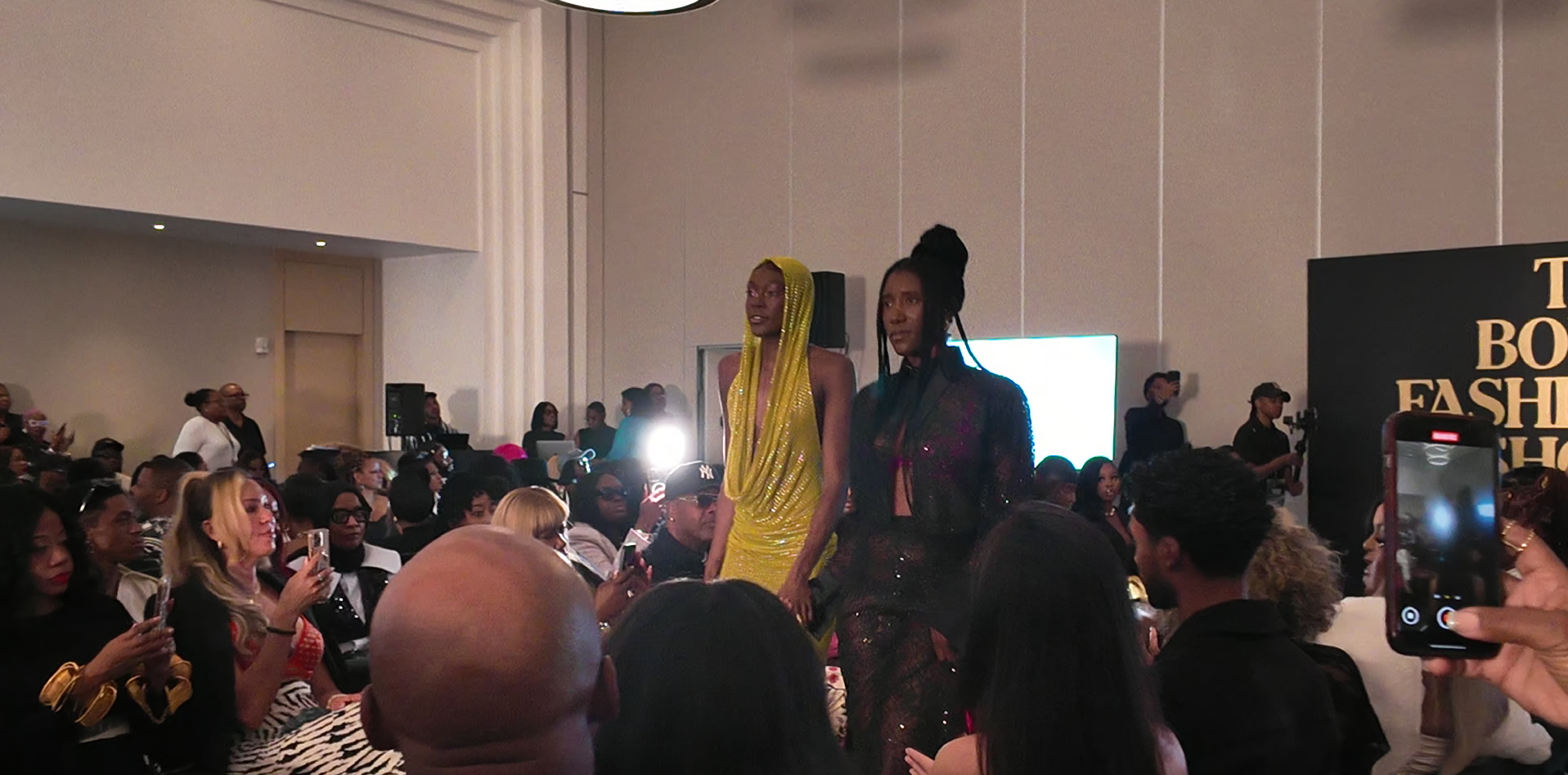
One of the most talked-about shows during the S/S 2026 London Fashion Week season was remembered more for its crowd management than its collection. A highly anticipated designer comeback drew such an overwhelming audience that more than 100 guests were left stranded in the entrance hall, craning their necks and holding phones aloft while the runway unfolded out of sight.
Inside, others were wedged into an undersized venue, describing the experience as frustrating at best and unsafe at worst. For some journalists, limited sightlines meant no usable photos, while intentional buyers lamented the lack of structured opportunities to evaluate the collection. What should have been a triumphant return for the designer instead underscored a critical truth: without thoughtful logistics, even the strongest creative vision can be overshadowed.
The Industry-Wide Challenge
Fashion shows are designed to generate anticipation for new collections, but when operational planning fails to scale alongside demand, the guest experience suffers. Common challenges include:
Capacity Strain: Guest lists often outpace the physical limitations of venues
Bottlenecked Arrivals: Congestion caused by unmanaged entry timing and check-in flow
Coverage Limitations: Restricted sightlines make it difficult for the press and buyers to do their jobs effectively
Post-Show Disconnect: Lack of structured follow-up opportunities for media, buyers, and attendees
These challenges don't diminish the collection, but they can limit its reach if guests leave without the tools or access needed to amplify it.
A Strategic Approach to High-Demand Shows
Fashion events will always attract more interest than space allows, especially when they mark a significant comeback or debut. In these scenarios, thoughtful planning ensures anticipation translates into meaningful visibility.
Several approaches can significantly improve the experience:
Timed Entry Slots: Assigning staggered arrival times eases congestion and improves check-in efficiency
Pre-Assigned Seating: Sharing digital seat assignments in advance minimizes confusion
Overflow Access: Livestream lounges or secondary viewing areas ensure every guest experiences the collection
Post-Event Delivery: Within hours, press receive digital image kits, buyers are invited to re-sees, and guests receive thank-you follow-ups with collection links
These systems reinforce professionalism for guests, buyers, and press while maintaining the spectacle of the show and ensuring that the artistry shines.
Key Takeaway
When demand exceeds supply, it's a sign of a show's success, but also a reminder that execution must rise to the occasion. The most effective fashion events balance creativity with operational precision. By weaving strategy into every touchpoint, producers can ensure the excitement surrounding a show sustains coverage, sales, and guest loyalty.