Fashion events thrive on atmosphere; from the lighting to the cocktails, every detail is designed to shape how guests feel the moment they walk in. However, one of the most overlooked, yet impactful, details is the dress code. It sets the tone, signals the level of formality, and often doubles as an extension of the event's creative concept.
But when that detail is buried in the captions, scattered across emails, or sent too late, guests can end up feeling out-styled.
Why Dress Codes Deserve More Attention
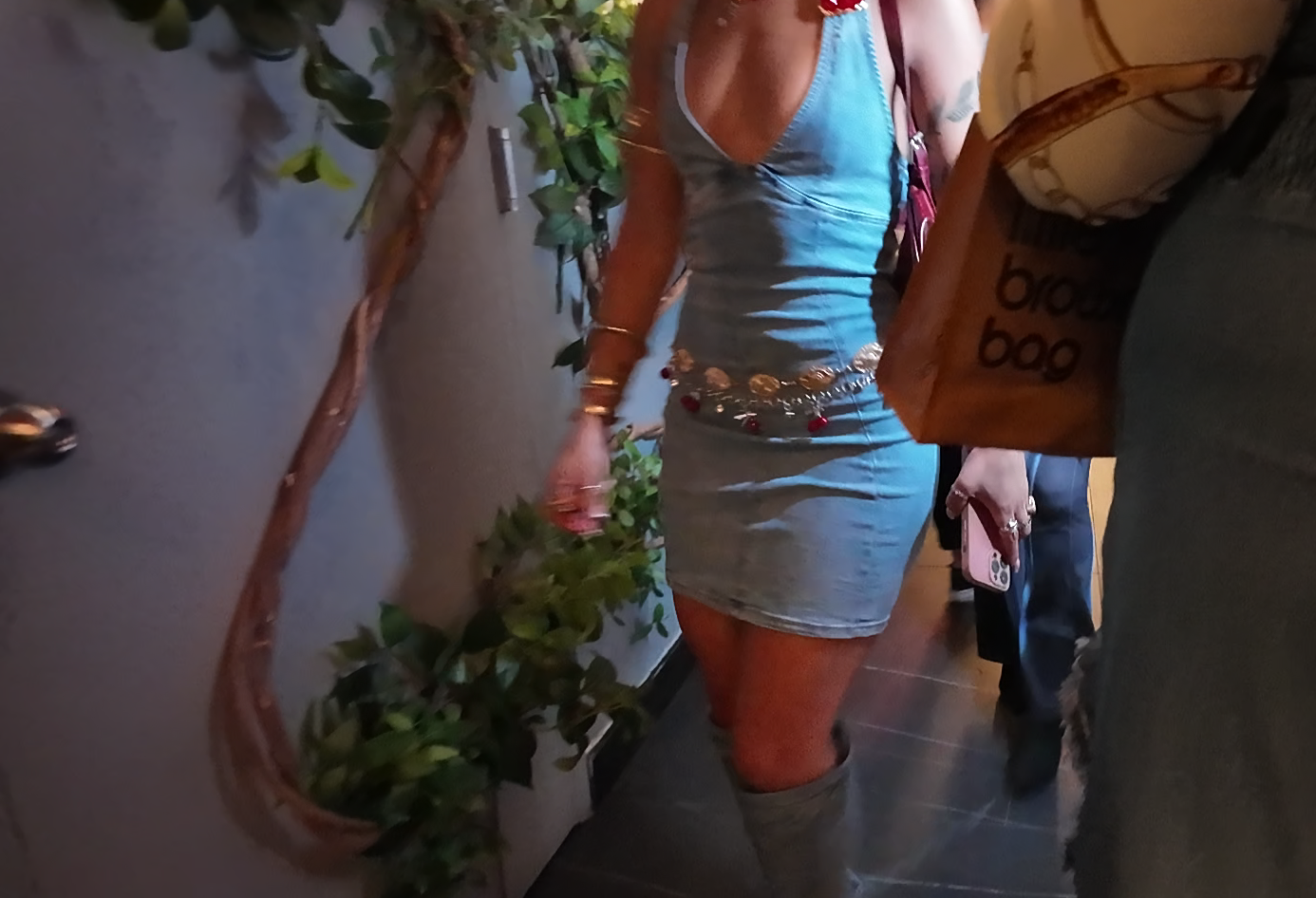
At a NYFW gathering, the theme was "elevated denim". Those who received and understood the brief arrived in inventive looks that transformed a casual staple into a fashion statement, resulting in a visually cohesive crowd that elevated the room's energy. I, on the other hand, didn't get the denim memo and decided to take a restroom break, do a quick lap, and exit stage left before the festivities really got going.
This disconnect matters since NYFW is usually a time when people juggle multiple events in one evening and need straightforward guidance to confidently enter stylish networking environments. A dress code is an invitation to participate in the event's storytelling. When delivered clearly and promptly, it sparks creativity, builds anticipation, and ensures the event itself photographs as well as it feels.
In today's social media landscape, the stakes are higher than ever. When guests are photographed, tagged, and shared across platforms, a visually cohesive crowd becomes free marketing for the event host. A well-executed dress code truly shapes the environment. Beyond aesthetics, a thoughtful dress code signals respect for guests, treating them as collaborators in the experience rather than passive attendees.
It's also worth acknowledging that dress codes can feel exclusionary when they're vague or financially demanding. Producers have a responsibility to frame codes inclusively. "Elevated denim", for example, works across a wide range of budgets and personal styles. However, an ambiguous "black tie" directive can alienate guests who don't have the wardrobe or resources to comply. The goal is to inspire participation, not create barriers to entry.
The Guest Experience
It's easy to think about dress codes from the producer's perspective, but the guest experience is just as important. There's a particular frustration with arriving at an event underdressed, simply because the guidance was unclear or arrived too late. Conversely, there's a quiet delight in walking into a room where everyone got the memo. Shared understanding creates an immediate sense of belonging. It signals that you were prepared, included, and that the experience was designed with you in mind.
How Producers Can Improve Dress Code Communication
Over-Communicate Early: Include the dress code in the very first event announcement and repeat it across all digital channels. A reliable timeline: introduce it at the save-the-date stage, send a reminder two weeks out, and follow up with a final nudge 48 hours before the event.
Highlight Creatively: Make the dress code a visual asset. Share inspiration posts or a mood board that gets guests excited to interpret it. Consider formats like a shared Pinterest board, an Instagram Stories countdown, or a short video lookbook sent via email to turn the directive into a conversation.
Think Logistically: Consider that attendees may be moving between multiple events in a single evening. Provide clarity well in advance so they can plan their day and outfits accordingly.
On-Site Reinforcement: From the entrance signage to event staff being styled on-theme, visual cues reinforce the environment you want to create. When the people running the event are dressed in the spirit of the brief, it signals that the code is intentional.
Align Talent and Hosts: When speakers, performers, or hosts are also dressed on-theme, it reinforces the dress code as a deliberate creative choice rather than a suggestion. This top-down commitment to the aesthetic signals its importance and gives guests permission to lean in.
The Business Case for Getting It Right
A dress code isn't an afterthought; it's a tool for cohesion. When producers treat it as part of the guest journey rather than fine print, they empower attendees to become co-creators of the atmosphere. The result is a stronger sense of belonging, a sharper visual identity for the event, and ultimately, a more memorable experience.
But the benefits extend beyond the room itself. Events with a strong, well-executed visual identity tend to generate more organic social content, earn greater media coverage, and build the kind of audience loyalty that drives repeat attendance. A well-communicated dress code is one of the simplest and most cost-effective ways to achieve all three. Treat it like the ultimate creative asset.