Good American may have exposed something it didn't intend: a kink in its influencer marketing strategy and the entitlement of micro-influencers (though I might be late to the party on that one).
Haven't we all learned by now that pop-ups, especially the ones hosted in NYC, are an absolute headache? It only took me one time waiting in line for two and a half hours at a pop-up, just to smell one of eight fragrances and stumble through a ball pit, to remind me to up my due diligence when it comes to increasing my proximity to a prominent brand.
So, here's what happened.
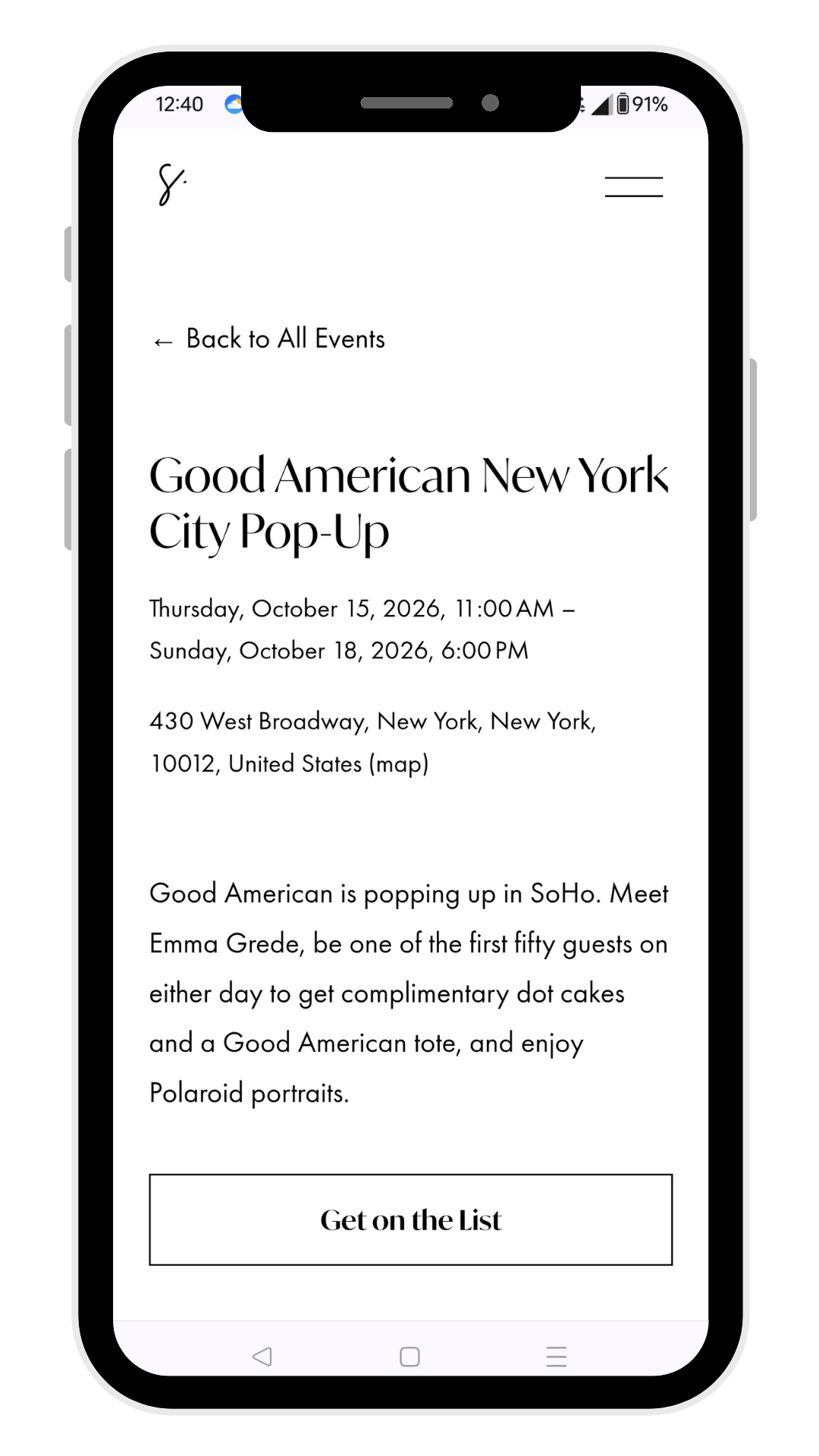
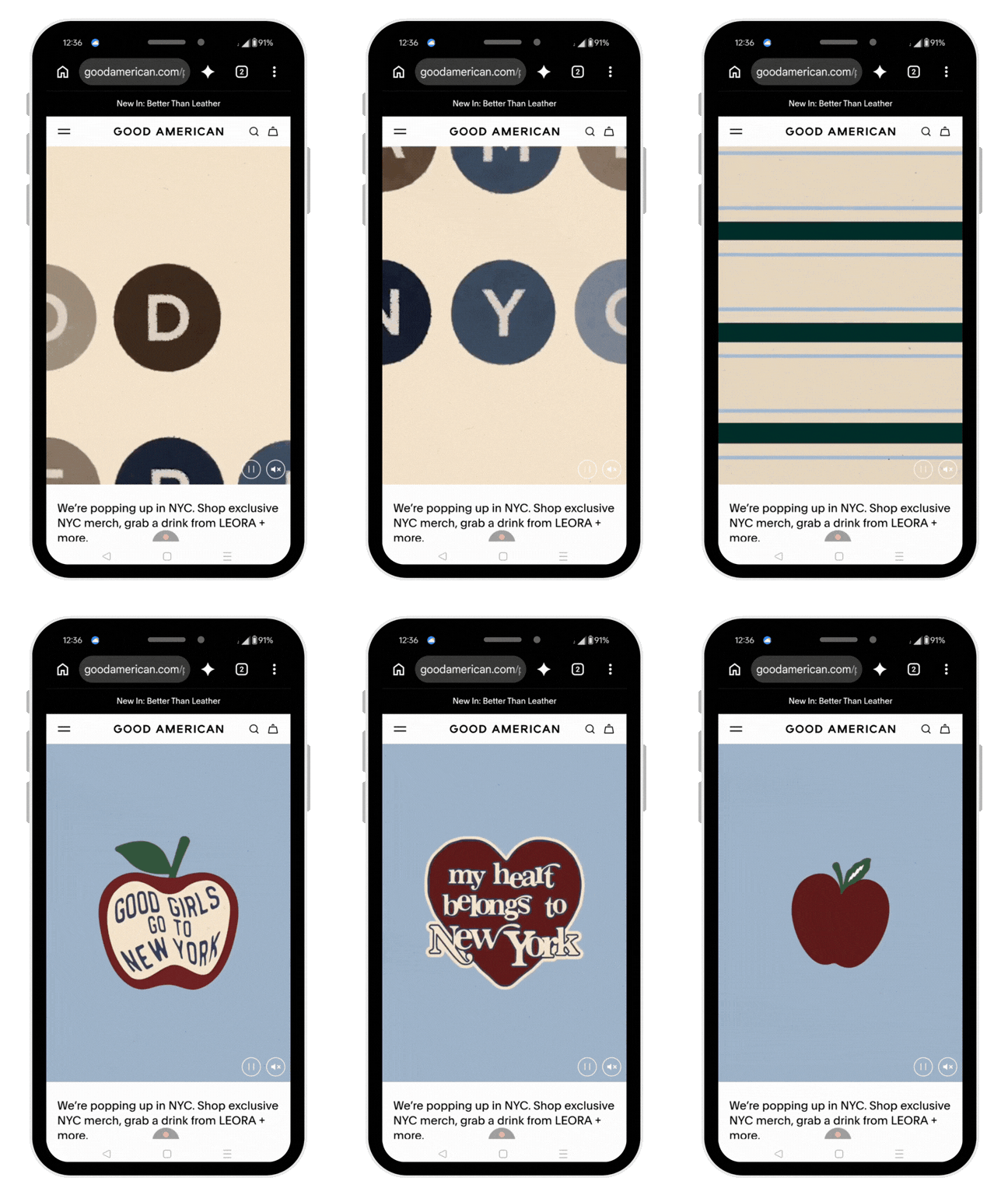
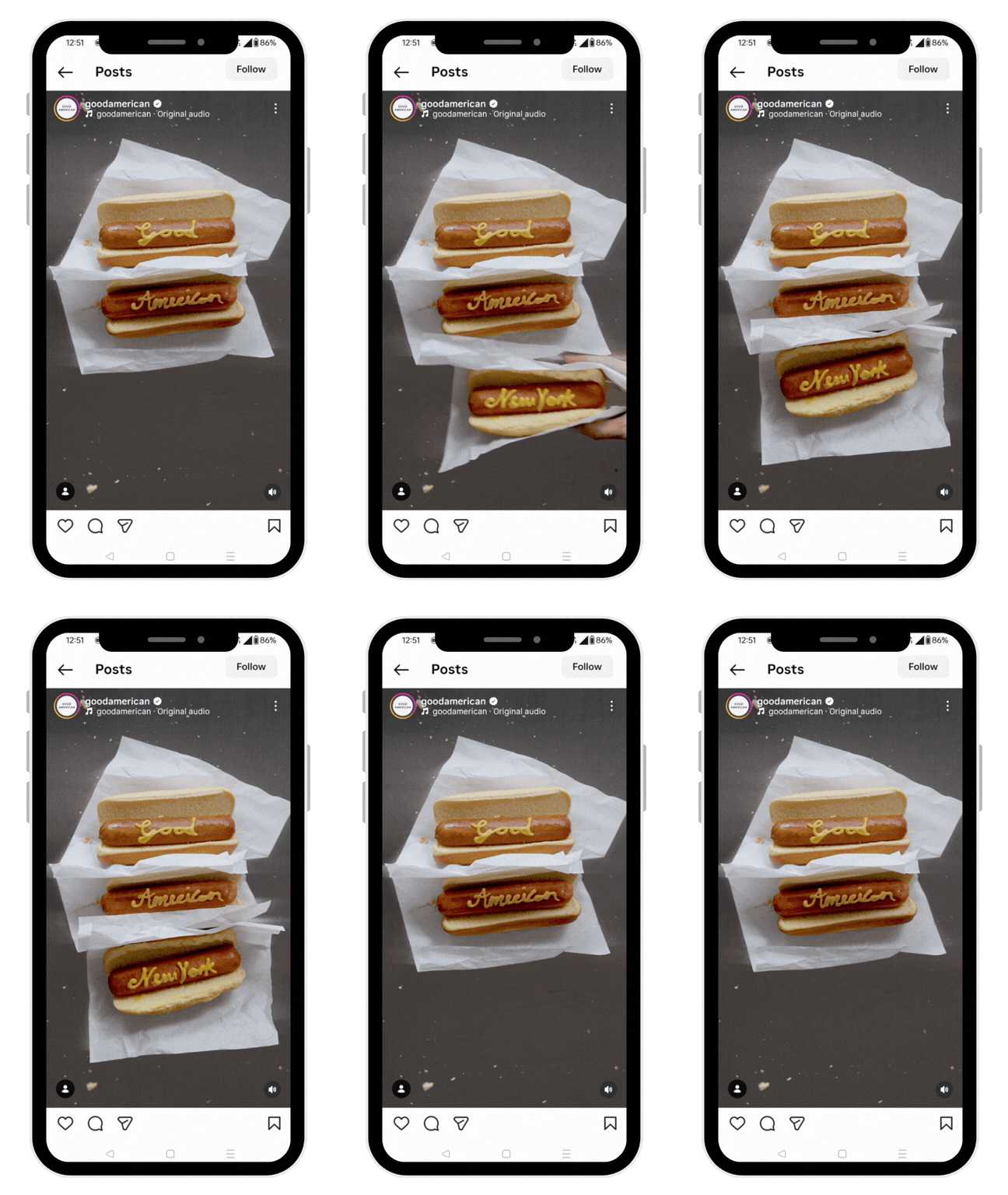
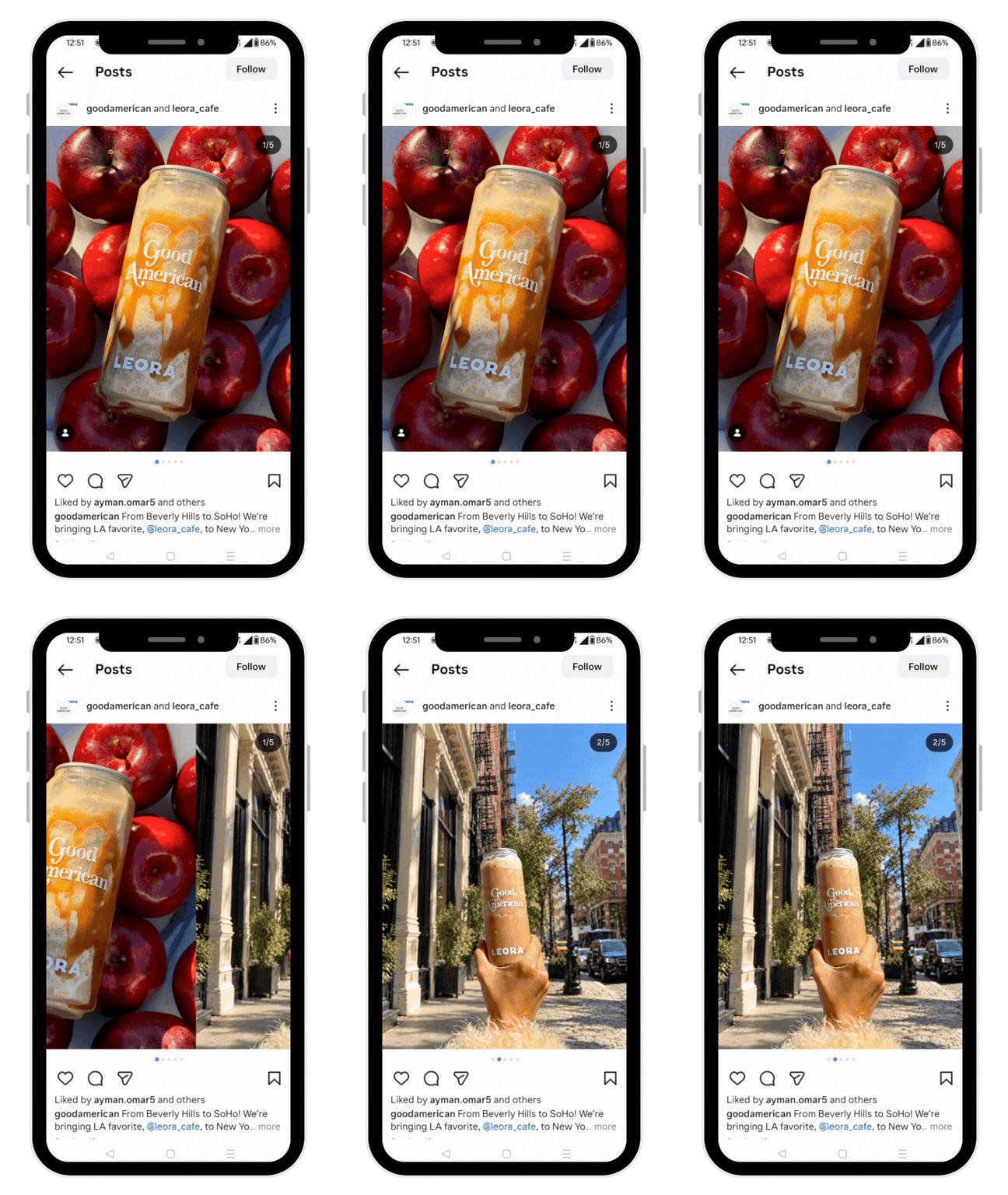
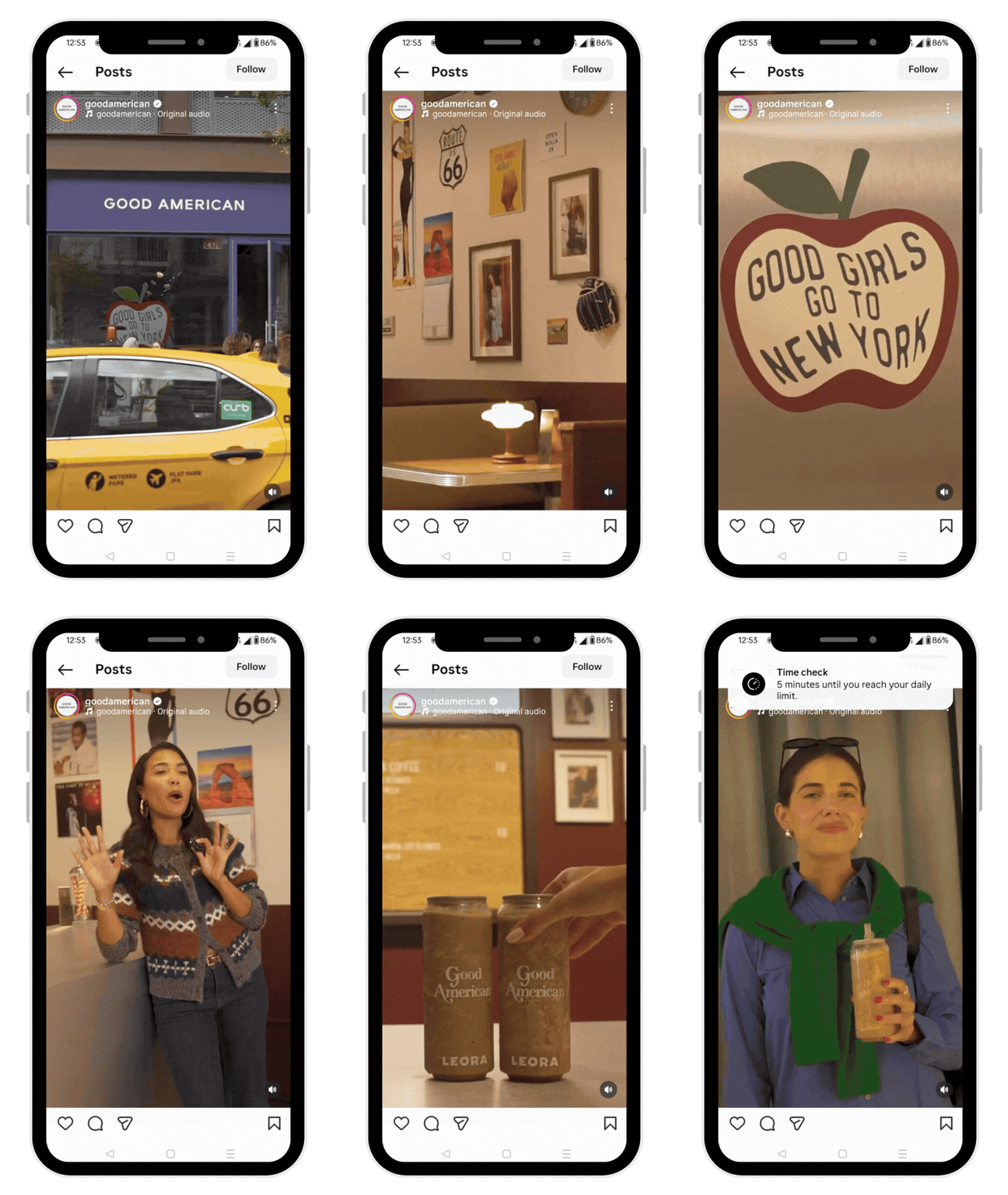
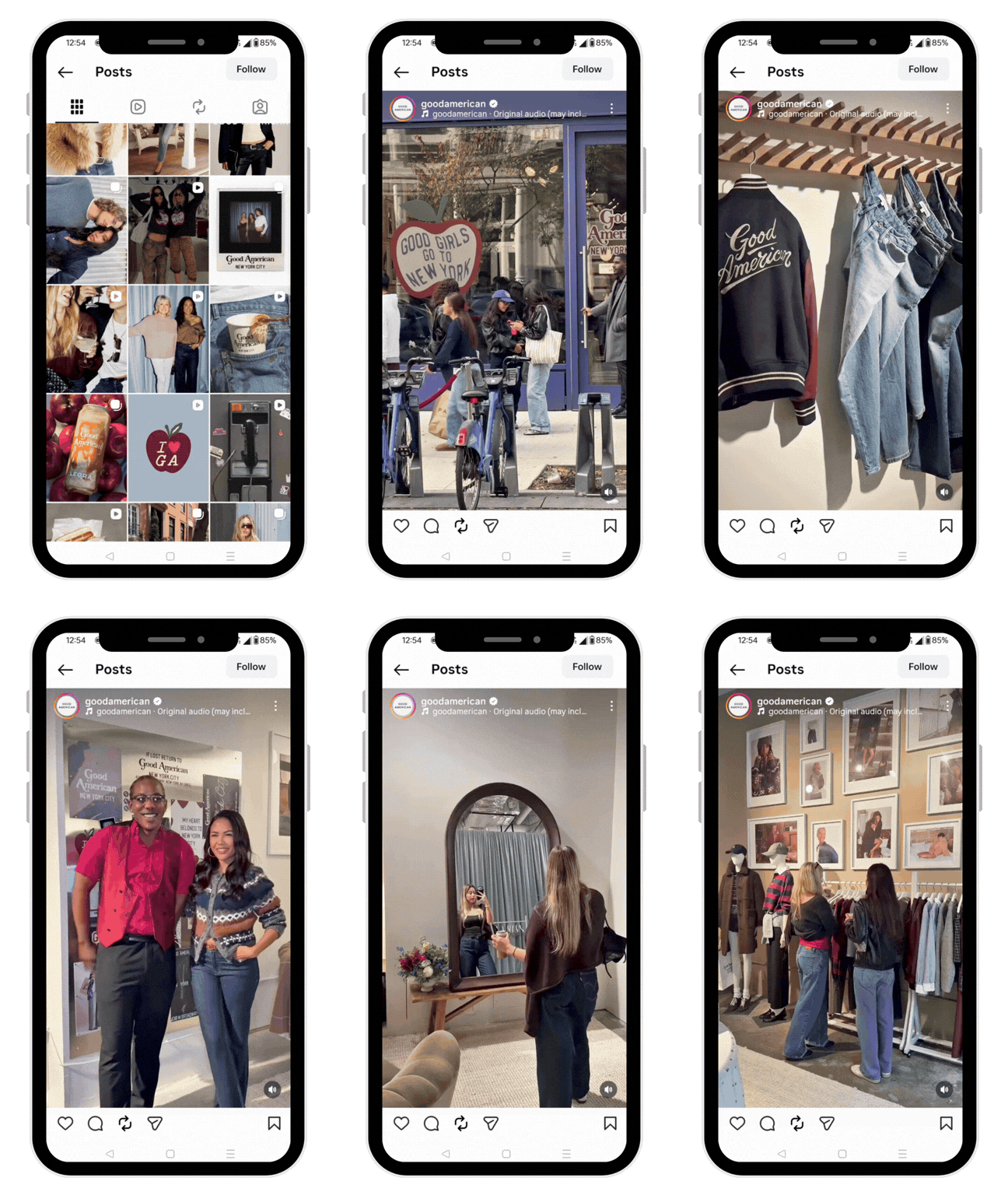
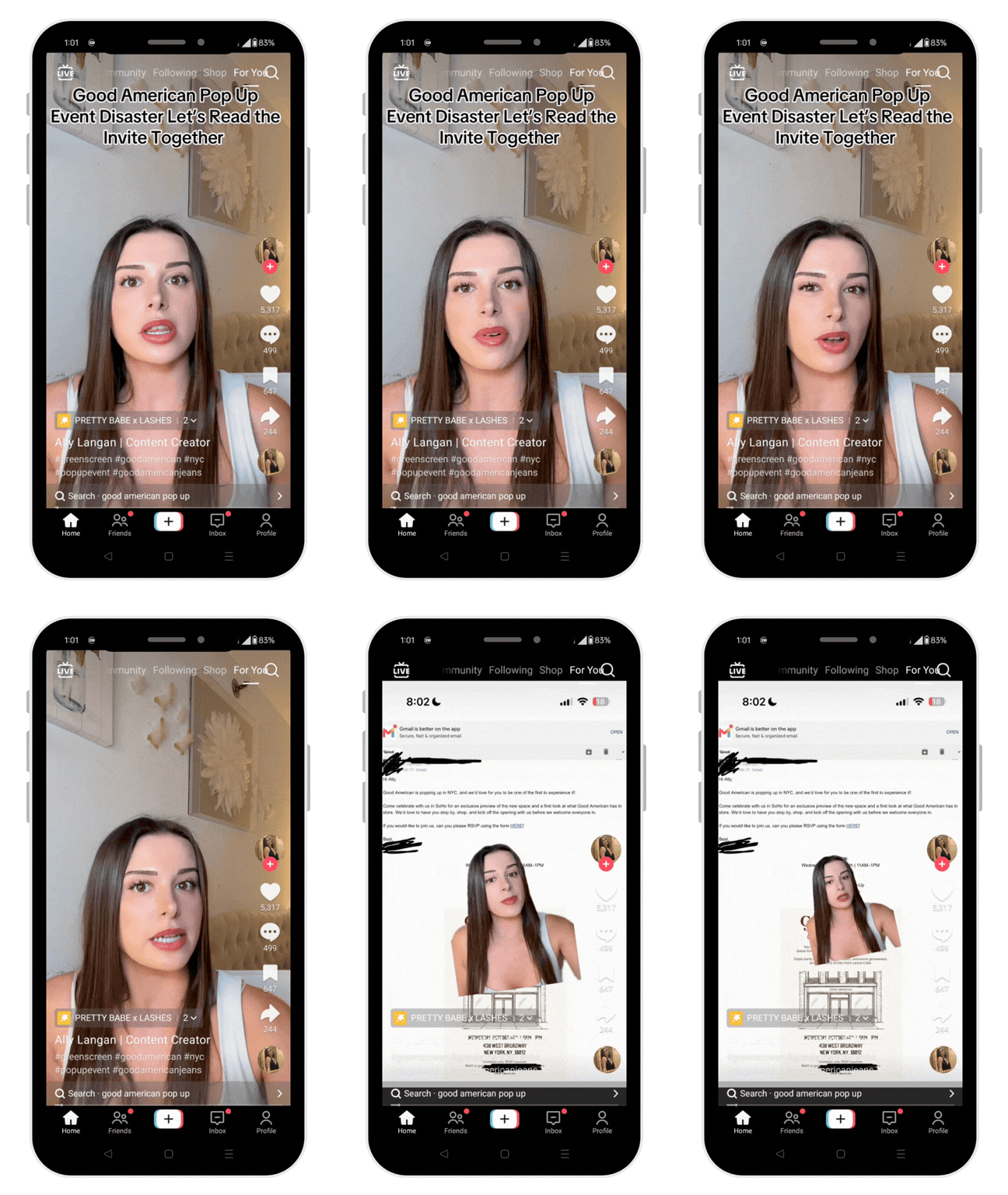
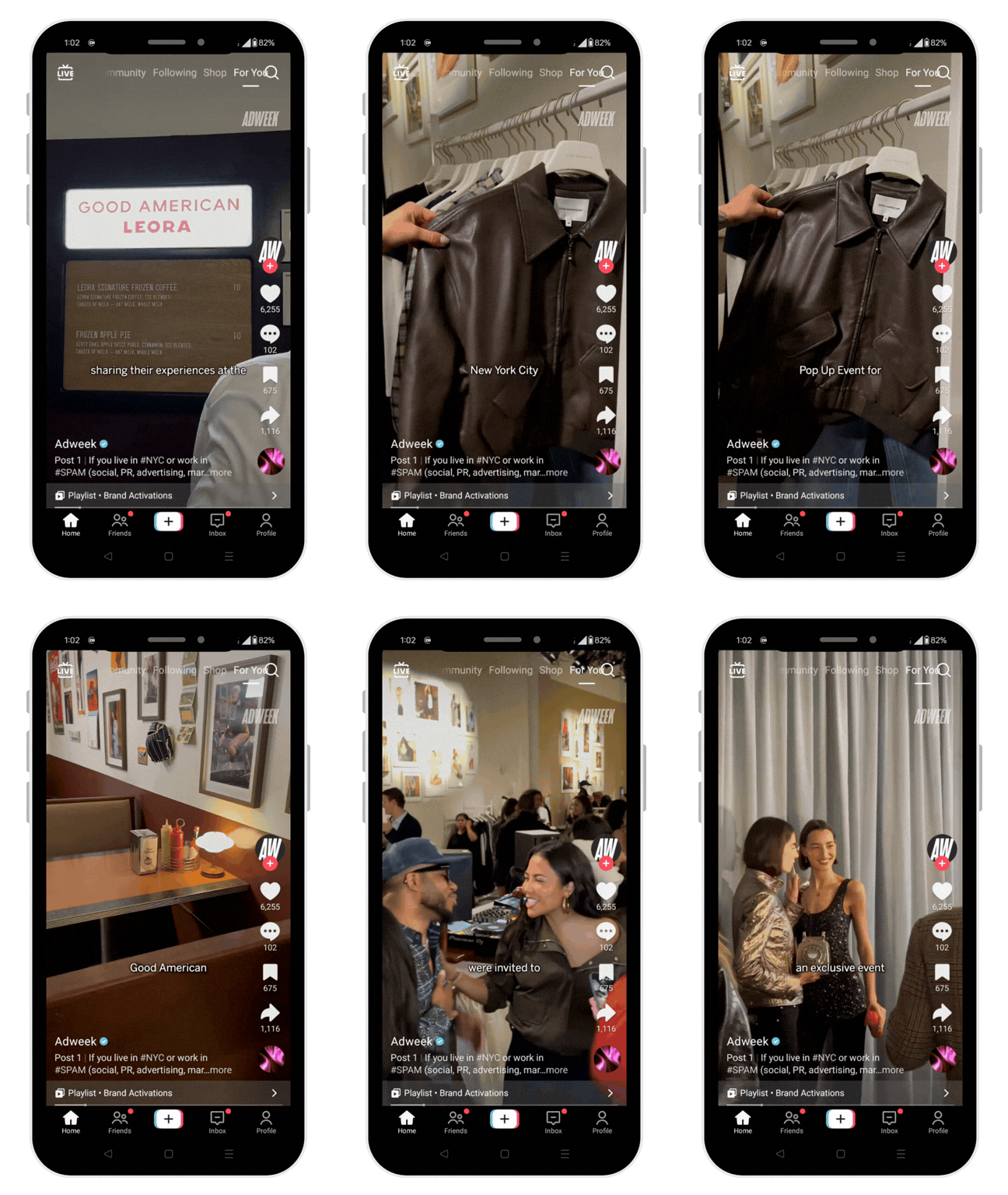
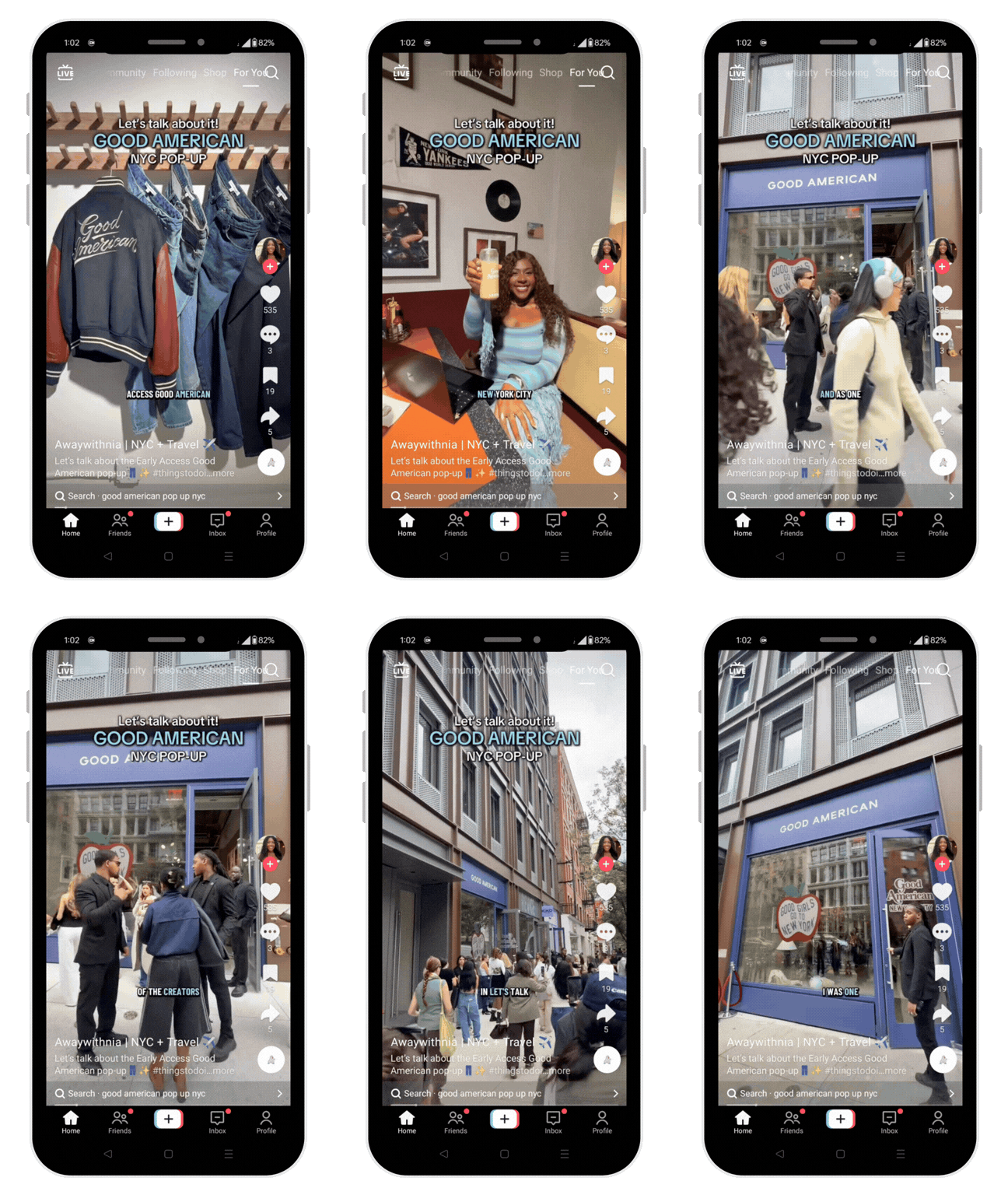
Good American hosted a pop-up event in NYC, October 15 - 18, and invited influencers to preview the space the day before it opened to the public. I wasn't invited, of course, as I'm not an influencer and I don't currently reside in or near NYC (although that didn't stop one content creator from hopping on a flight from Chicago just to be seen standing in line at a public event, a small detail she didn't know at the time). But I did stumble across the event details freely available on Instagram about a week before the event. I even added the event listing to Sequin Soireé.
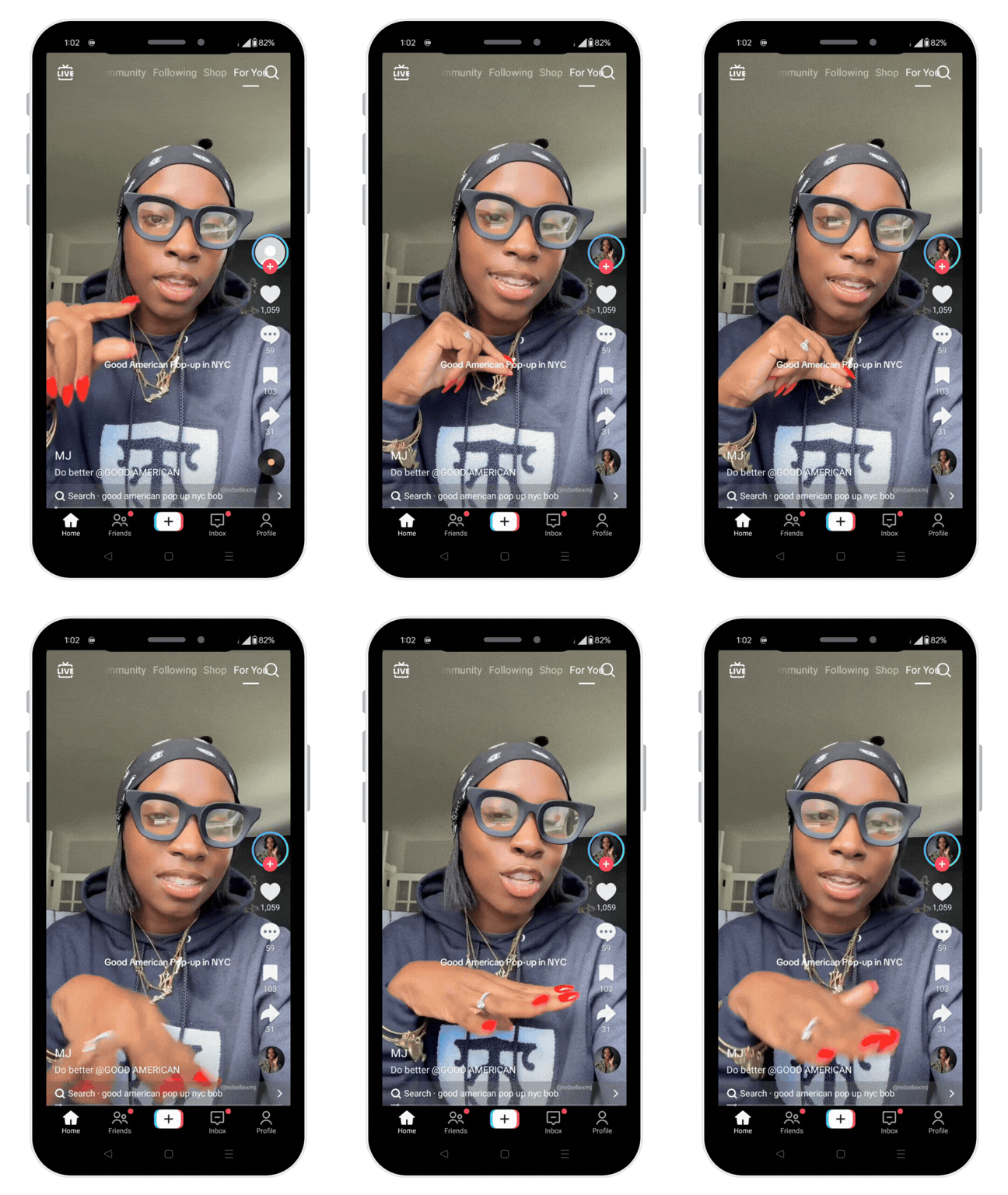
Making the pop-up details public gave me the impression that it was yet another over-hyped event that would surely include a line around a block or two, so I shouldn't pay this one any attention. Although, I wasn't surprised to see the flood of commentary videos on my YouTube feed discussing influencer's dispappointment with the event since the beauty brand Rhode had a similar outcome this past summer during its pop-up tour.
That's when I decided to be nosey.
A Line Around the Block Isn't a Marketing Strategy
First, let's establish something: a pop-up doesn't need to be exclusive to be successful. Success depends on the objective. Typical pop-up objectives include driving immediate retail sales, building brand awareness, creating content opportunities for both creators and the brand, launching new products, collecting customer feedback, and attracting new or lapsed customers. When a pop-up is open to the public, foot traffic and visibility can be incredibly valuable for meeting many of these goals.
Brands often rely on the hype created by a line of eager customers, so the line itself becomes part of the spectacle, signaling high demand and giving others a reason to stop and ask what everyone is waiting for. But there's a difference between generating demand and solidifying frustration. Apparently, some creators received an email from Good American inviting them to an exclusive pop-up preview. And here's where things get interesting.
Let's Review the Invitation Email
Here's the email reportedly received by creators:
Hi [Name],
Good American is popping up in NYC, and we'd love for you to be one of the first to experience it!
Come celebrate with us in SoHo for an exclusive preview of the new space and a first look at what Good American has in store. We'd love to have you stop by, shop, and kick off the opening with us before it opens to the public. If you would like to join us can you please RSVP using the form HERE! [link to RSVP]
When: Wednesday, October 14 | 11 AM-1PM
Where: Good American SoHo, 430 West Broadway, NYC
Best,
Bella
(I wonder if "Bella" is a real person or simply the name attached to a templated email. Either way, I hope whoever managed guest correspondence set their email to OOO, their social accounts to private, and took some time off.)
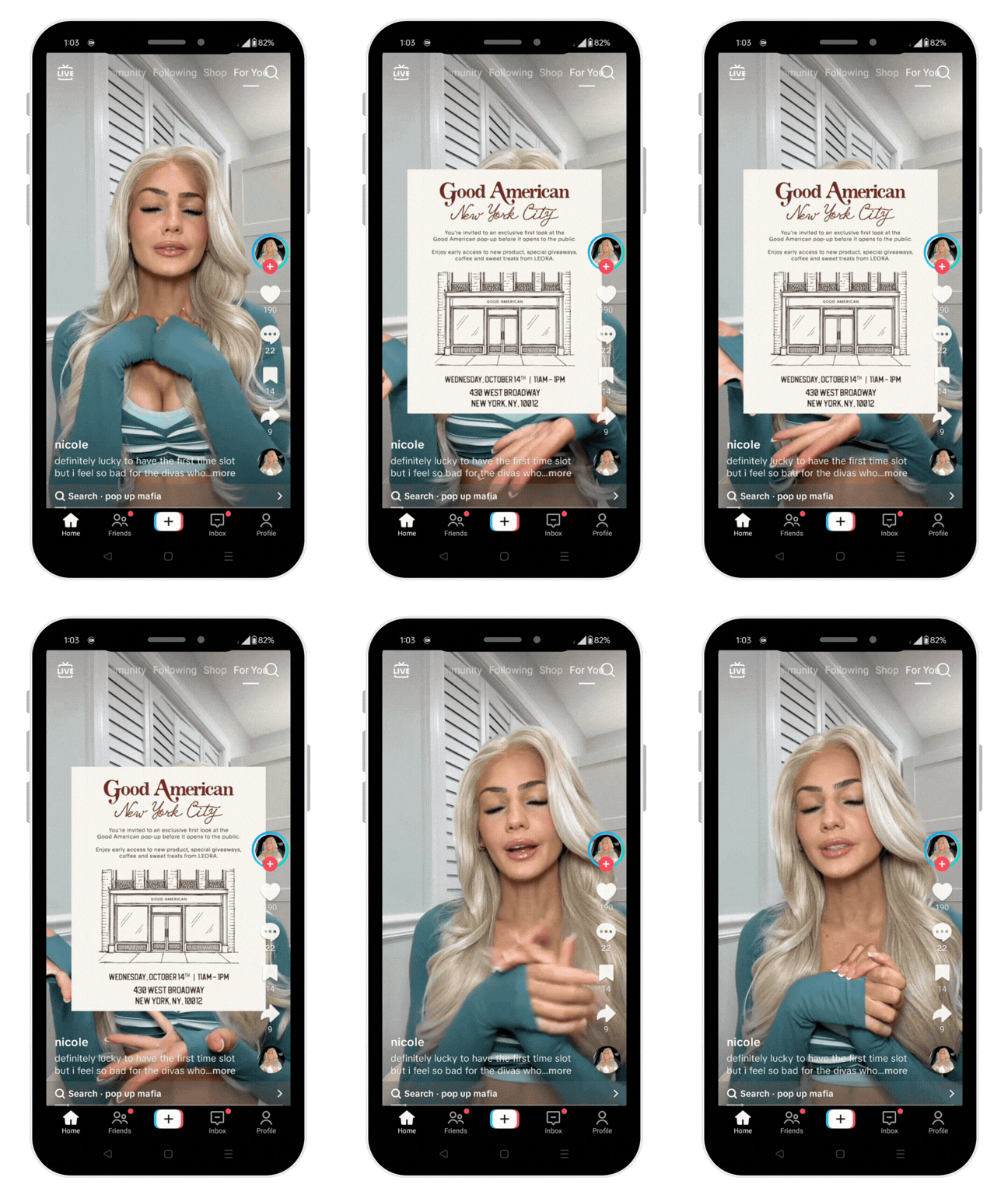
There was an attached graphic that also included the following copy:
You're invited to an exclusive first look at the Good American Pop-Up before it opens to the public.
Enjoy access to new product, exclusive giveaways, and specialty drinks from Lenora Cafe.
Invitation only. RSVP required.
“When the sender controls the invitation, expectations shouldn’t fall entirely on the recipient.”
What Exactly Were Influencers Being Invited To?
The words "exclusive preview" suggest early access to something the general public hasn't experienced yet. The invitation also asks recipients to RSVP and specifies a two-hour window a full day before the public opening. Those details could reasonably create the impression of a curated experience. A curated experience would also imply that accessing the space would be seamless. Just present your invitation at the door and walk right in. Right?
I think this is where the Good American messed up. The brand had a responsibility to ensure the number of confirmed guests was manageable. If you're inviting people to a physical space for a two-hour preview, you need to know how many people can reasonably move through that space, interact with the products, capture content, and leave with a positive impression. When the sender controls the invitation, expectations shouldn't fall entirely on the recipient.
Let's Look at This From a CRE Perspective
Having spent a decade in commercial real estate marketing, I can't help but look at this situation through a different lens: the retail space itself. The space is more than a blank canvas waiting for a brand to fill it with product, branded installations, and photo ops. It also includes dimensions, configurations, storefront access, circulation paths, and usable floor area that shape the experience. And that's before you account for fixtures, product displays, a check-in area, space for refreshments, staff sections, and anything else that might disrupt consistent traffic flow.
Before confirming an invitation list, the event team should review the floor plan and map the guest journey from arrival to departure. Where does check-in happen? Can guests enter and exit without blocking the sidewalk? How many people can browse the products simultaneously? How long can the maximum number of people occupy the space before bringing in the next group? Will people waiting to take photos obstruct the path to other displays? Is there enough room for guests to move through the space without constantly bumping into each other?
The answers to those questions can either elevate the overall guest experience or have real consequences for your brand's reputation. Even a generous retail footprint can feel cramped when you dedicate too much floor space to installation or product displays. Conversely, a smaller space can accommodate an enjoyable experience when the guest list is staggered, the layout is intentional, and the time allocated to each group is realistic. The physical space, the event design, and the guest list have to work together. You can't finalize one without considering the other two.
I’M READY FOR A NEW CHALLENGE
Open to hybrid and remote brand and experiential marketing leadership roles
The Actual Influencer Event Was A Different Story
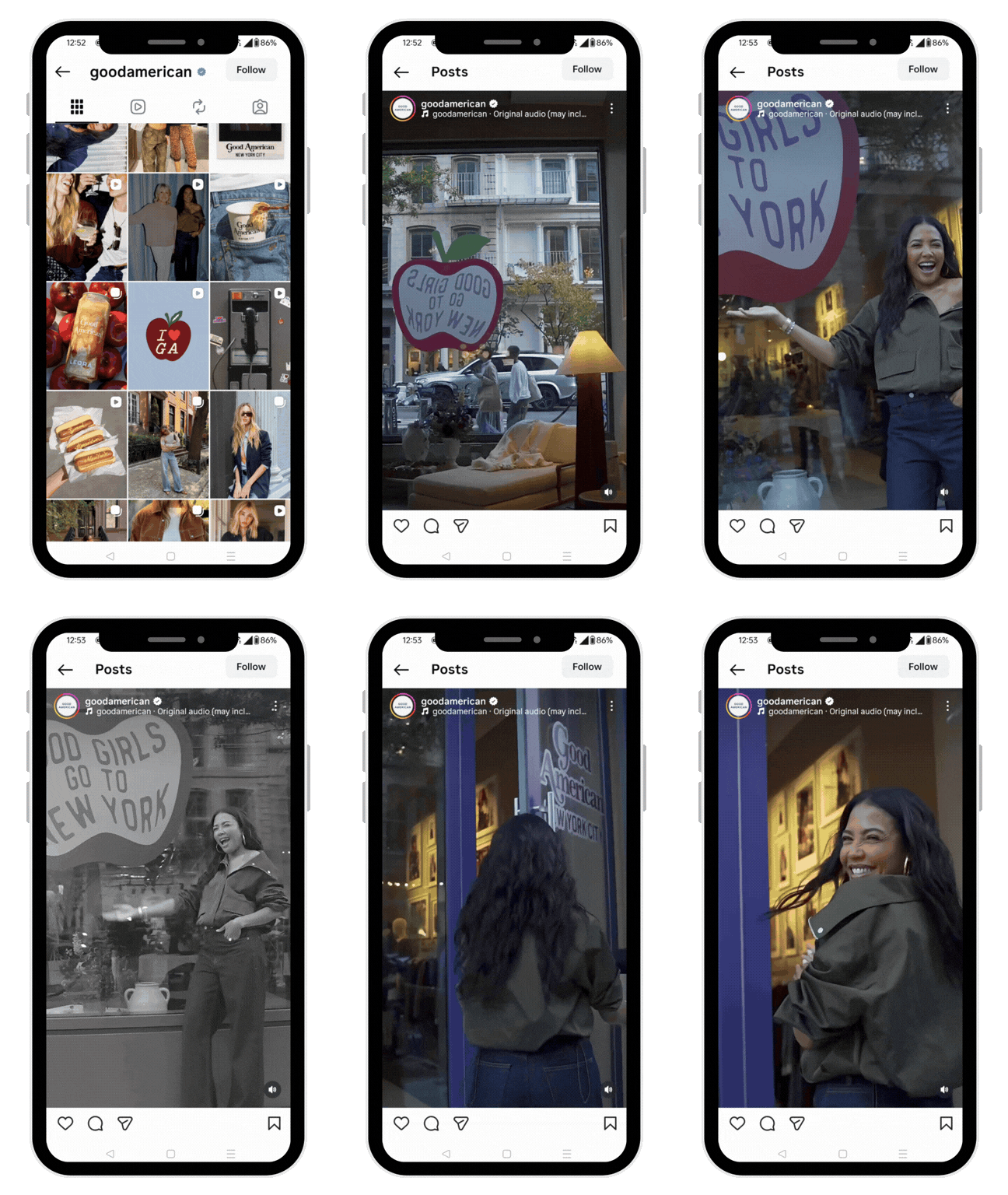
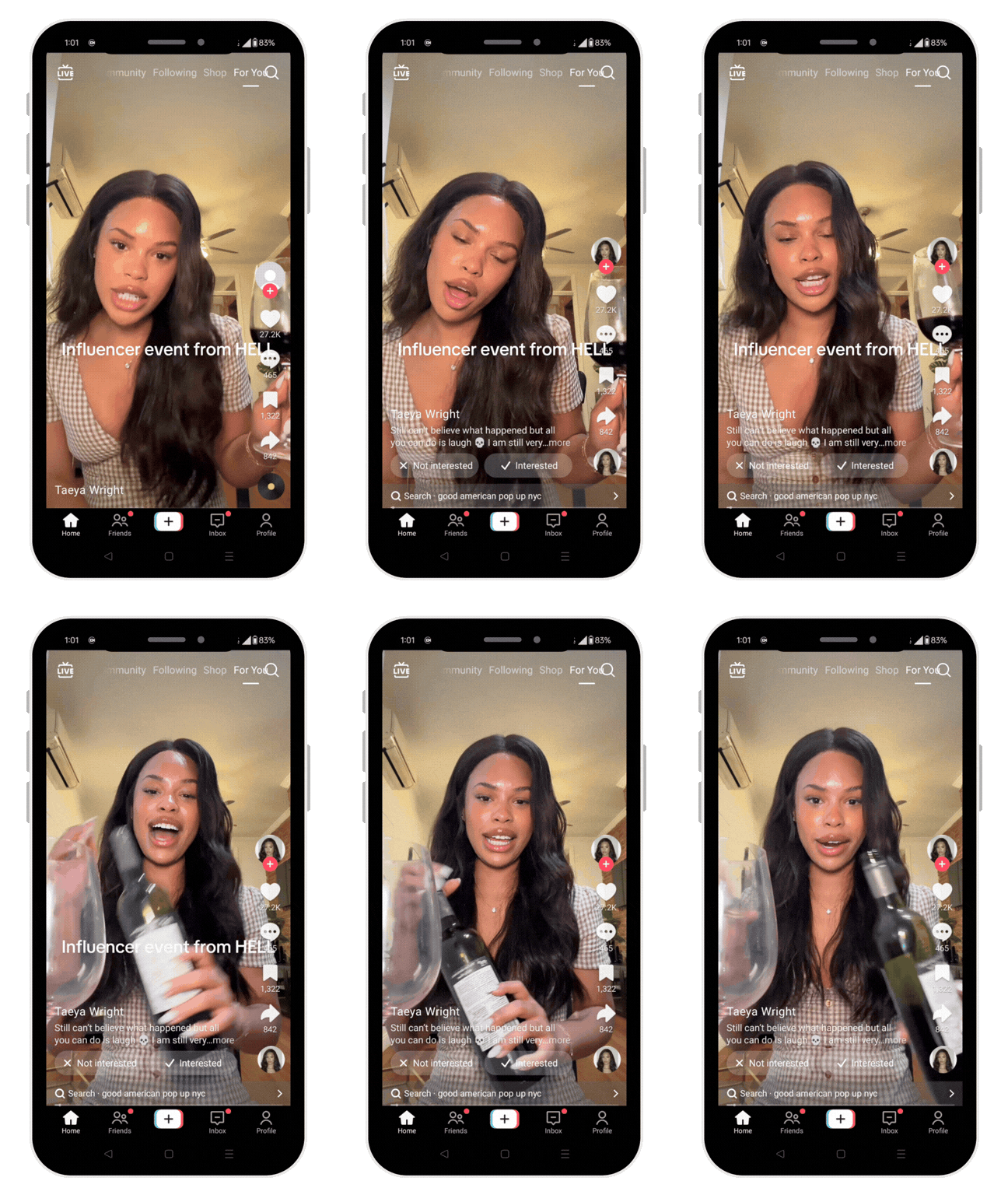
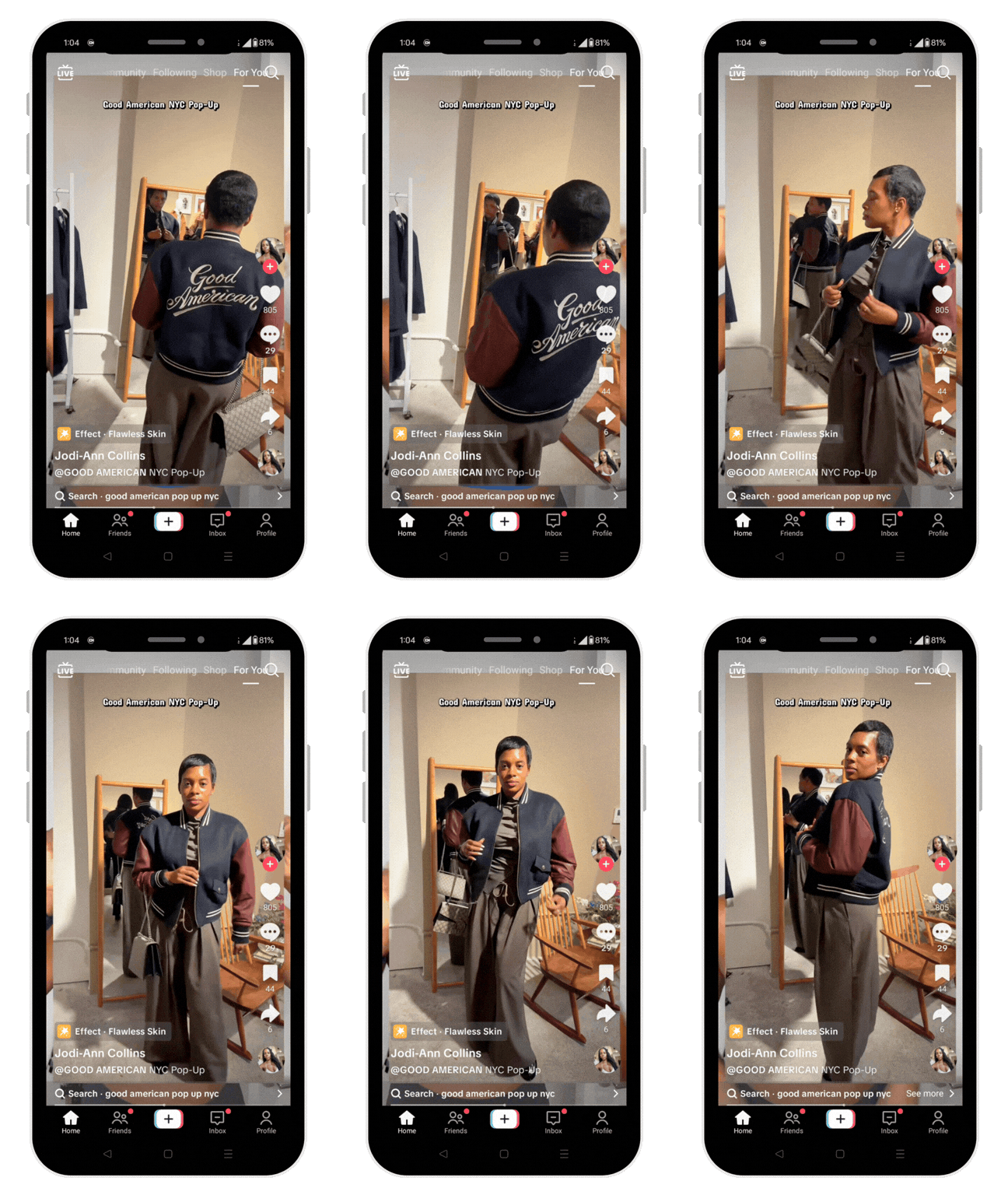
Wednesday morning's early-access preview and the evening's more traditional VIP gathering were different experiences. The VIP event drew notable guests like Martha Stewart, Olivia Jade, and others I'd never seen before, plus a DJ, branded refreshments, and an appearance by Co-Founder Emma Grede.
While creators struggled in the rain to get through the door of the morning's preview, the evening's VIP party appeared to offer a smoother, more laid-back experience. And I suspect that contrast contributed to the frustration. Some may have interpreted their preview invitation as an opportunity to experience the atmosphere and access of a traditional launch party. Unfortunately, this is how experiences can unfold when expectations aren't clearly established.
When a brand launches a pop-up, it often hosts a private kick-off party before opening the doors to the public. The public-facing experience may be unique, but it's not always the same as the one offered to invited guests. This is exactly what happened when I attended the Christian Louboutin Fétiche pop-up during NYFW in Fall 2025. I only found out, while watching a few of my favorite YouTube vloggers, that a private kick-off party took place before the pop-up opened to the public.
I wasn't upset. I just accepted it.
I'm a peasant. Got it.
But I understood the difference between attending a public-facing brand activation and being invited to a private event. I wasn't expecting a red carpet, champagne, or a personal introduction. Which brings me to my next point.
Influencers, Please Do Your Due Diligence
Before agreeing to attend an event, especially one that may require you to travel across state lines, take time off work, or spend money out of pocket, consider the following.
Determine whether the date, time, and location work for you.
Factor in transportation, travel expenses, and the possibility that you'll spend more time waiting outside than experiencing the actual event. If the event is open to the public, ask yourself whether your invitation guarantees entry during a specific window or simply gives you permission to show up.
And please, don't book a flight based solely on an email that says, "We'd love for you to stop by". At least add a few other events to your schedule. I know a curated calendar that can help you with that.
Investigate the brand's definition of "exclusive".
Do a quick scan of the brand's website and social channels. Is the event being promoted publicly? Are tickets available to anyone? Is there a separate RSVP link for the general public? Does the invitation specify a private preview, a meet-and-greet, or a creator-only experience? To be fair, since the preview event took place the day before the public pop-up opened, it would be easy for invited guests to assume that it was, in fact, a more private brand activation.
Determine your return on investment (ROI). Don't rationalize it.
What are you actually hoping to get out of attending?
Will attending help you build a relationship with the brand, or are you just chasing a moment of visibility?
Are you hoping to meet Emma Grede or Khloé Kardashian?
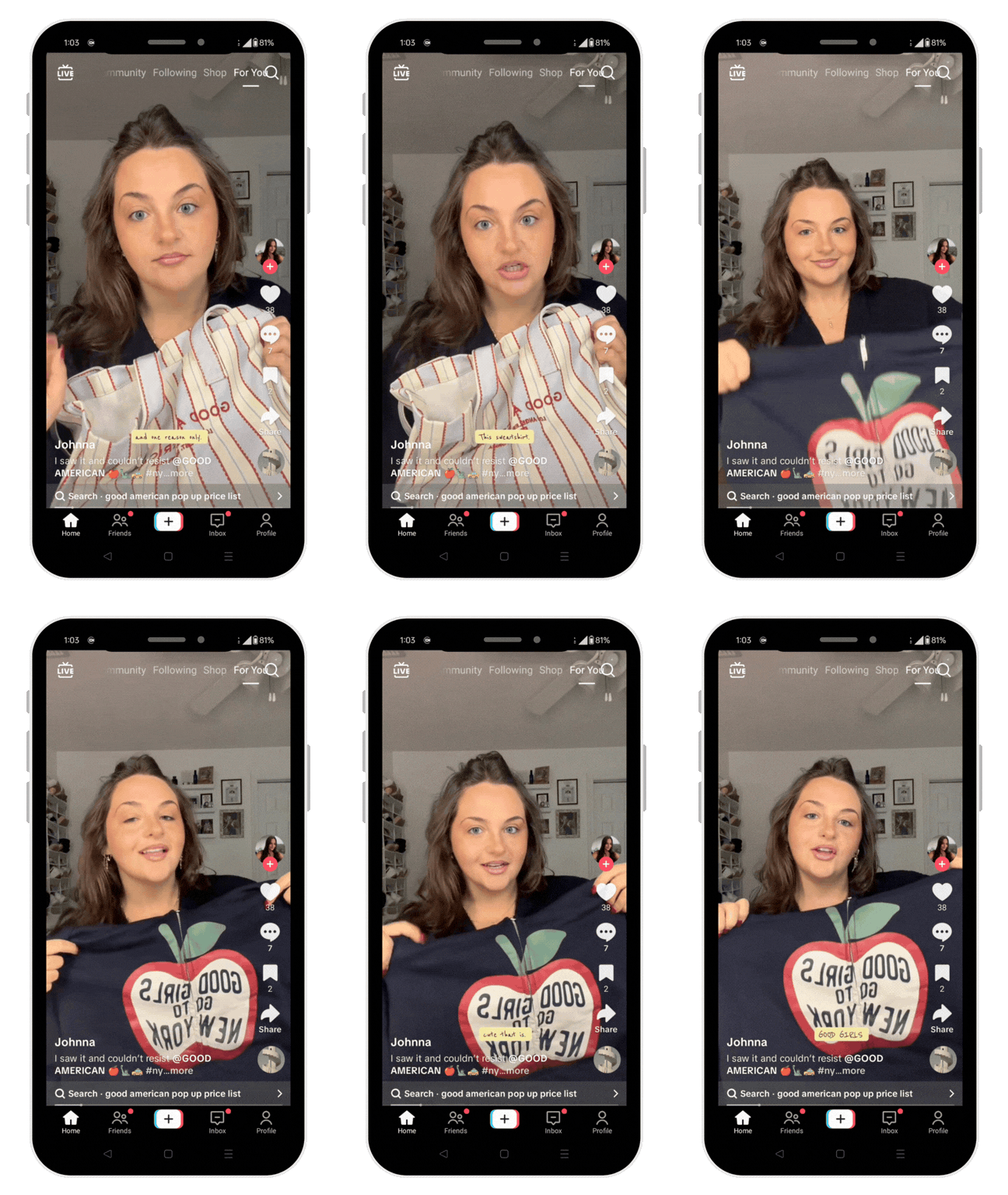
Do you want to get your hands on one of those hoodies everyone keeps talking about?
Are you looking to expand your network of content creators?
Have you planned a specific piece of content, or does this event fit into a series you're already producing?
How much FOMO will you really have to endure if you sit this one out?
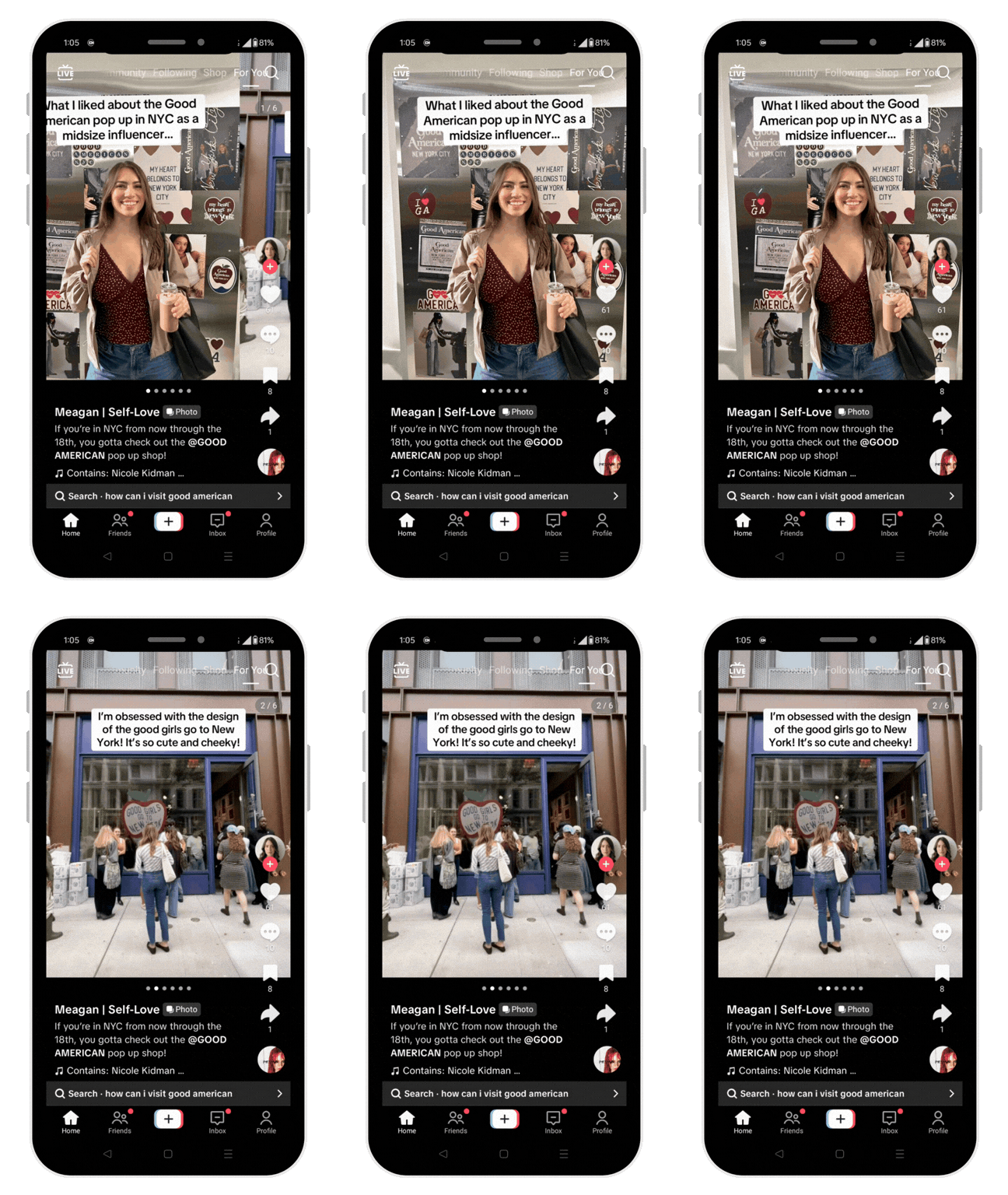
Looking at creator commentary around the Good American pop-up, I couldn't help but wonder how many attendees had a plan beyond experiencing the event and creating content about it. Some of the reactions seemed to place significant weight on the fact that they had been invited, as though the invitation itself validated their status as influencers.
I understand being recognized by a prominent brand can feel exciting, especially when you're building a career as a creator. But an invitation isn't a business outcome, and a brand's decision to invite you doesn't automatically translate into a stronger portfolio, a future paid partnership, or a lasting professional relationship.
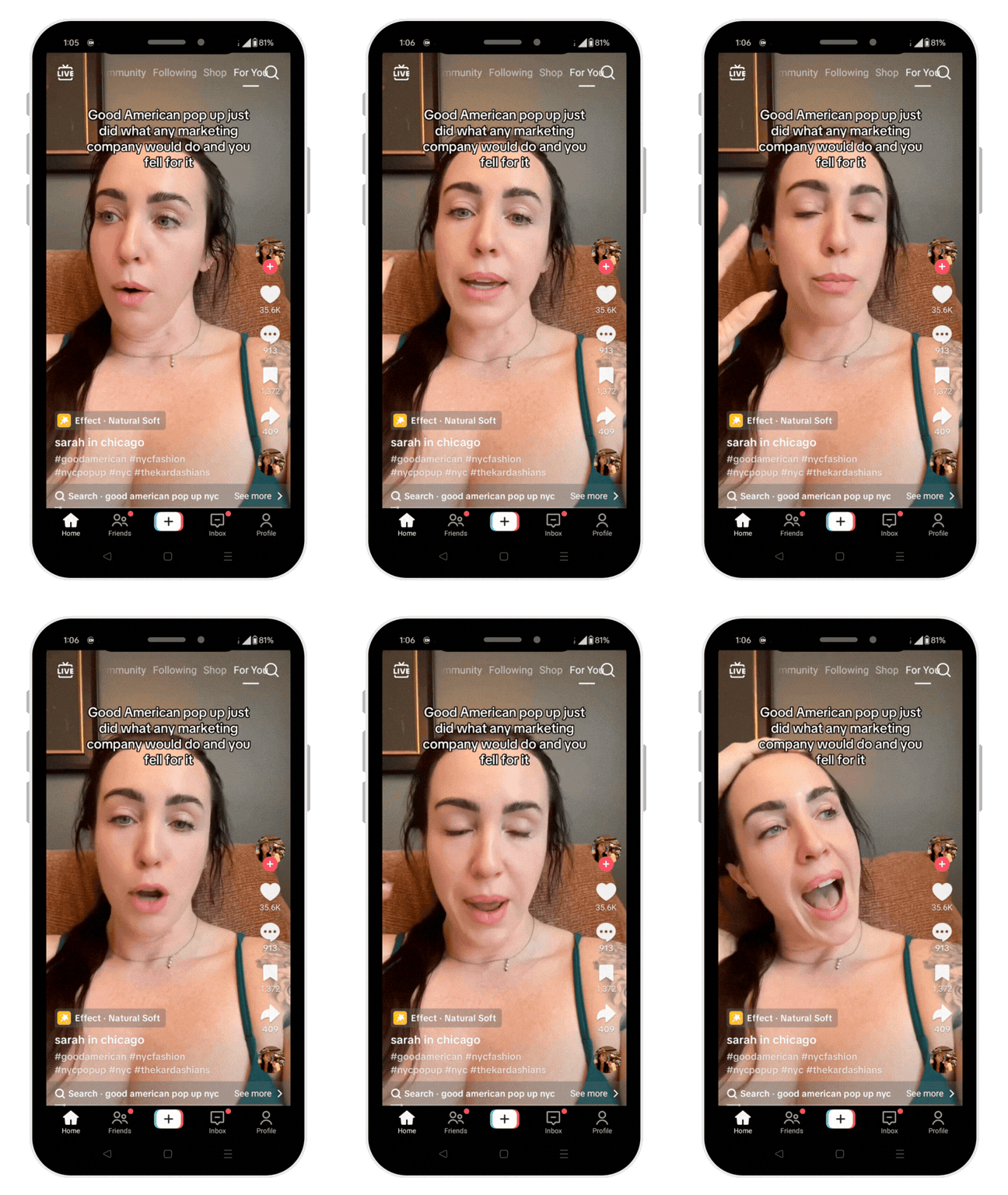
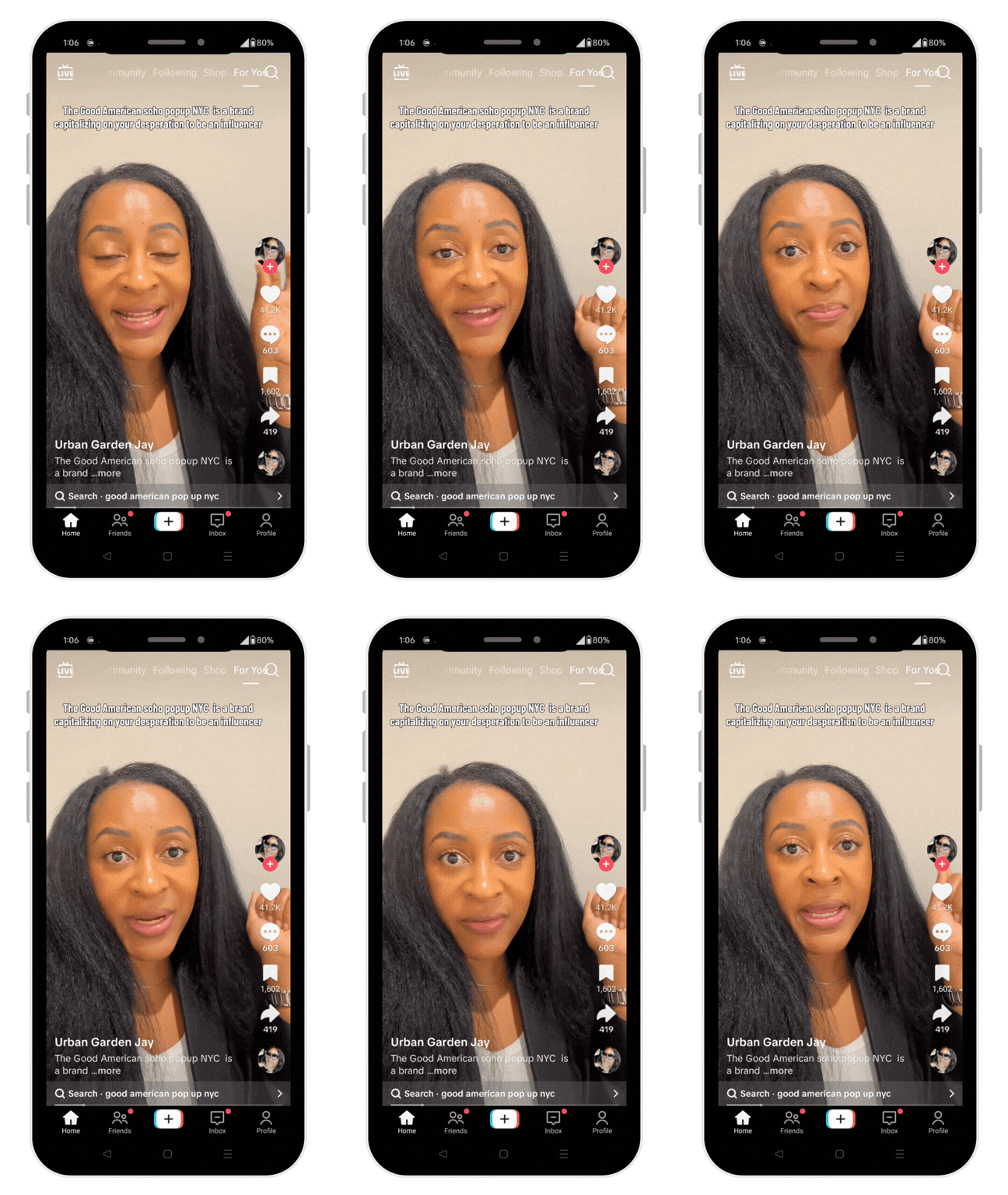
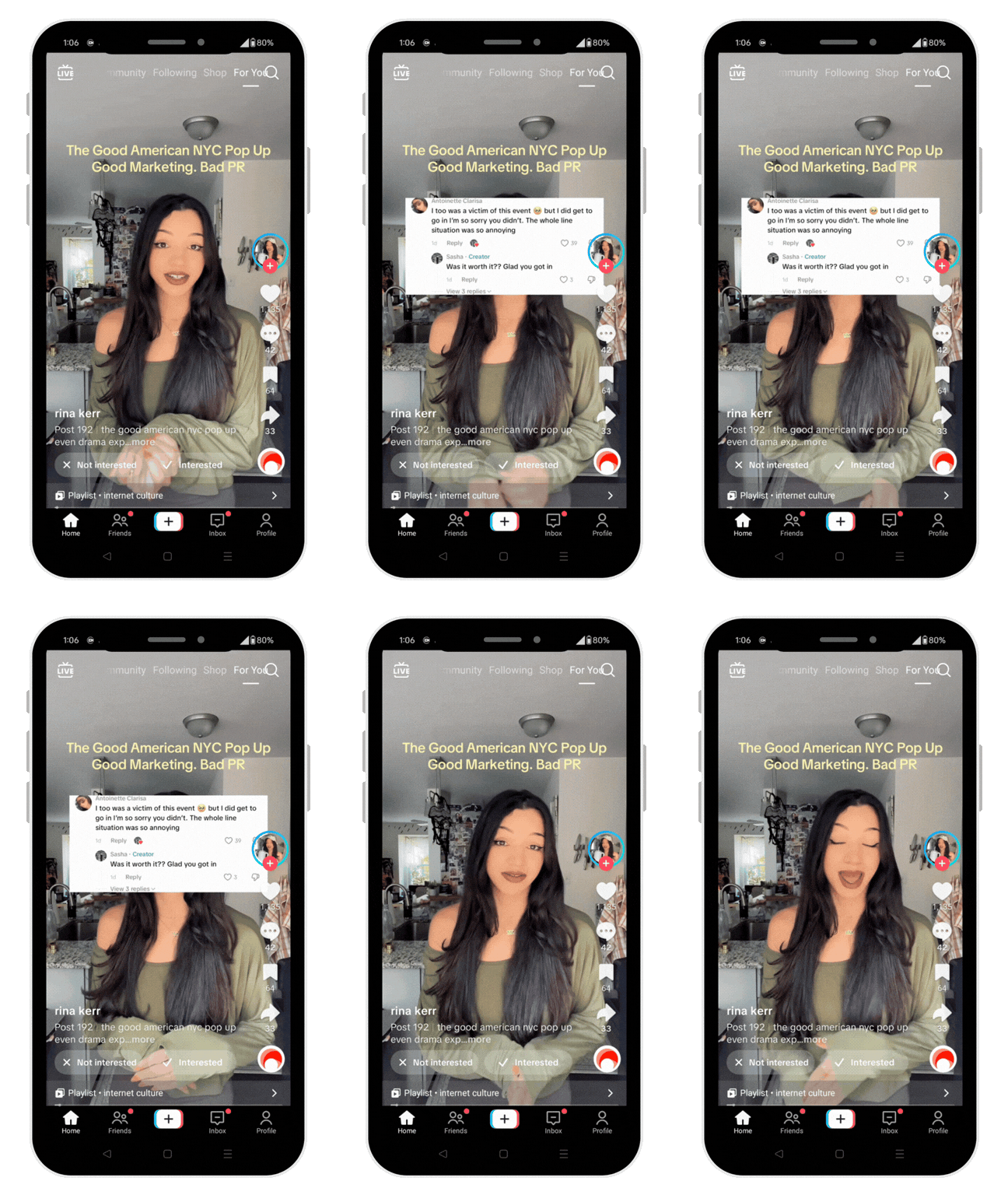
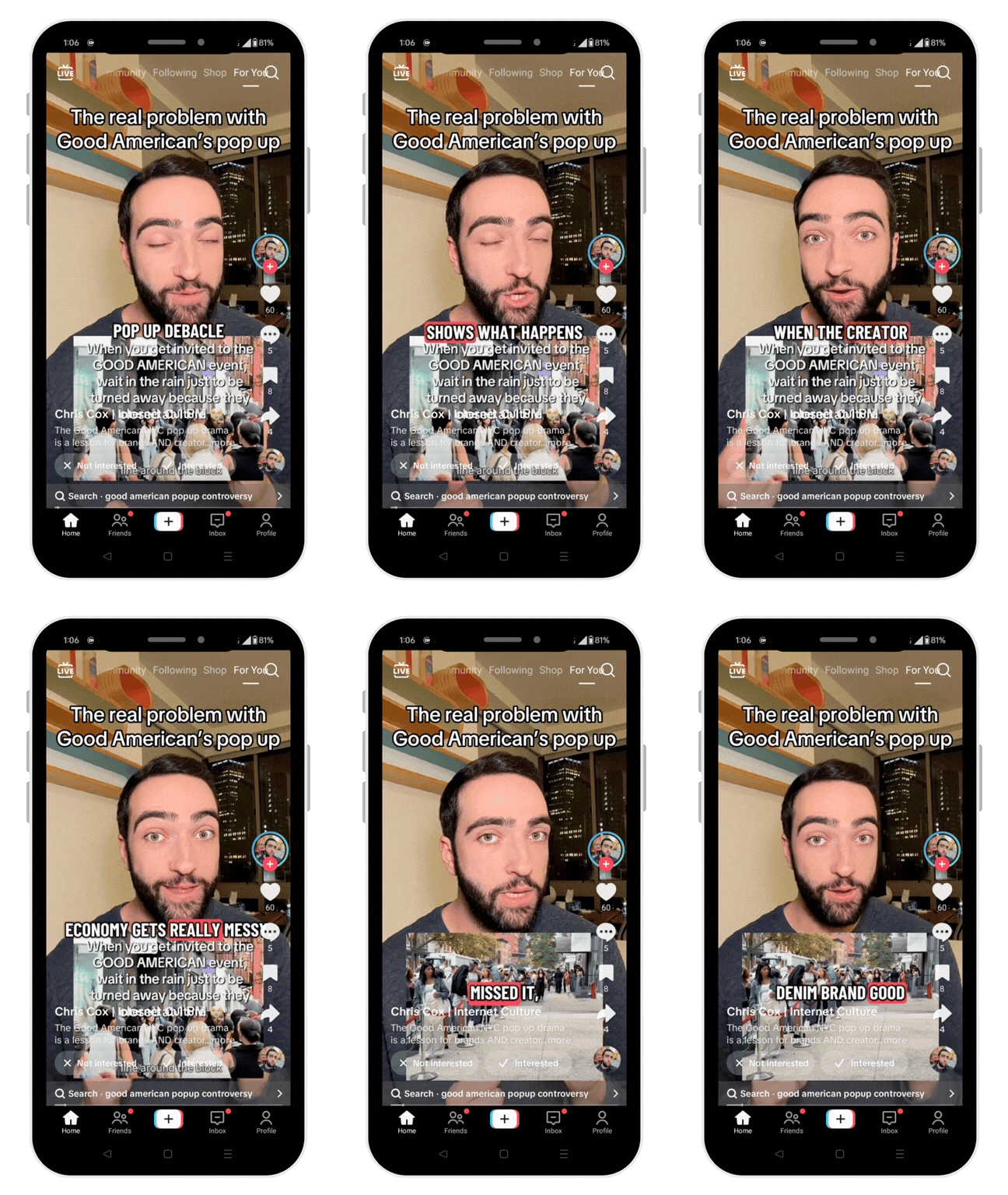
“A long line can create buzz, but an unmanaged line communicates that the brand prioritizes the spectacle of demand over the comfort of the people generating it.”
What Can Brands Learn From This?
While the creators could have been more diligent in researching the actual exclusivity of this event, Good American should assume responsibility for the outcome of this experience. There are definitely some lessons here for anyone planning a pop-up, product launch, or influencer activation.
Communication is key.
If you're inviting people to a unique experience, you have to provide all the relevant information. Clarify the event format upfront. If there are capacity limits, explain them clearly. If admission isn't guaranteed, say so. If limited merch, refreshments, or access to brand reps are included in the experience, don't allow the invitation to imply otherwise.
It costs nothing to set these expectations, but it costs more to repair relationships after you don't meet them. Sure, people can say "all press is good press," but negative coverage can expose weaknesses in your event planning, communications, and influencer relationship management.
Plan the guest list around the space, not your marketing wish list.
Before sending invitations, consult your event producer, venue manager, or whoever handles the physical setup. Determine how many people can comfortably enter, move around, interact with the products, capture content, and exit within a given time frame. Then build the guest list around that capacity.
If you want to maximize content opportunities with creators with a significant following, keep the guest list manageable so they have ample time to arrive, get the full experience, and create content that will increase the hype for the public event. But if your goal is to maximize foot traffic, consider multiple sessions, staggered arrival windows, or a longer preview period.
Stop confusing a long line with a successful activation.
If there's more content online about the line outside your event than the actual experience, you may have a problem. A long line can create buzz, but an unmanaged line communicates that the brand prioritizes the spectacle of demand over the comfort of the people generating it.
If waiting is unavoidable, assign staff to manage the queue (not just security guards at the door who aren't incentivized to know what's going on). Staff can communicate estimated wait times, explain what guests can expect, and provide water, snacks or other appropriate accommodations when possible. Your team can even capture behind-the-scenes content for the brand's social channels, with guests' consent, of course.
Treat creator relationships as partnerships, not attendance numbers.
An invitation isn't automatically a successful influencer marketing touchpoint. If you're trying to build relationships with creators, think beyond how many people you can get to show up. Who aligns with your brand? What kind of content do they create? Do they have an audience your brand hasn't tapped into yet? Can they bring a unique perspective to your experience?
Smaller creators can offer meaningful community connections, niche expertise, and engaged audiences, but inviting a large number of them without a clear plan on how to best leverage their audiences, creativity, and ability to tell a compelling brand story doesn't translate into influence.
Have a recovery plan if the experience falls short.
Even well-planned events can go sideways. The difference is how brands respond... preferably before any criticism goes viral. Acknowledge the experience, communicate directly with affected guests, and offer a meaningful next step where appropriate. That might include a guaranteed return visit, a private shopping appointment, or another opportunity to experience the brand. The solution doesn't have to be expensive, but it must show that the brand recognizes the time and effort people invested.
A Successful Activation and a Successful Guest Experience Aren't the Same Thing
After I started putting my thoughts together for this article, I came across a Shop Drop Daily interview with Good American Co-Founder and CEO Emma Grede about the strategy behind the pop-up and what it means to the future of the brand. Grede described the activation as a success, citing "lines down the block" and revenue that exceeded the brand's goals. She also highlighted the longer-term value of the experience: customer acquisition, brand awareness, cultural relevance, product discovery, and customer loyalty. All valid measures of success, but the conversation overlooked the experience people had before gaining access to the space.
A line down the block can be a sign of demand, but it can also be a sign that the guest journey needs a closer look. The interactions inside the space are only part of the equation, but what about the guests who can't even make it through the door? Getting dismissed, made to feel devalued, and eventually getting turned away also factor into the brand's long-term loyalty, or lack thereof. The pop-up may have exceeded its revenue goals, but that doesn't mean every part of the guest experience worked as intended. If the goal is to make people feel like they're part of a community, the experience should reflect that before they even walk through the door.
Exclusivity Is a Promise, Not a Buzzword
I don't think creators should be absolved of responsibility for choosing to stand in line in the rain for a chance to purchase limited edition products and create interesting content with a notable brand, but I also don't think the backlash should be reduced to a story about entitled micro-influencers. Yes, creators need to read invitations carefully, ask questions, and assess whether an opportunity is worth the total investment. An RSVP is not a personal endorsement, a guarantee of VIP treatment, or a promise that a brand will make you feel important.
But brands also need to recognize that their language shapes expectations. If you invite people to an exclusive preview, you should be prepared to deliver an experience that feels intentional, organized, and meaningfully different from simply showing up during public open hours. The best influencer marketing gives creators a reason to be glad they came by creating an experience worth posting about.
SOURCES:
Beyond The Pop-Up: Emma Grede On Good American And The Future of Brand Experience, Shop Drop Daily